
By Fredrick Ameh
Residents of Ijesha in Surulere demonstrated high civic engagement this Saturday, turning out in large numbers for the monthly environmental sanitation exercise in a significant show of compliance with the Lagos State Government’s environmental directives.
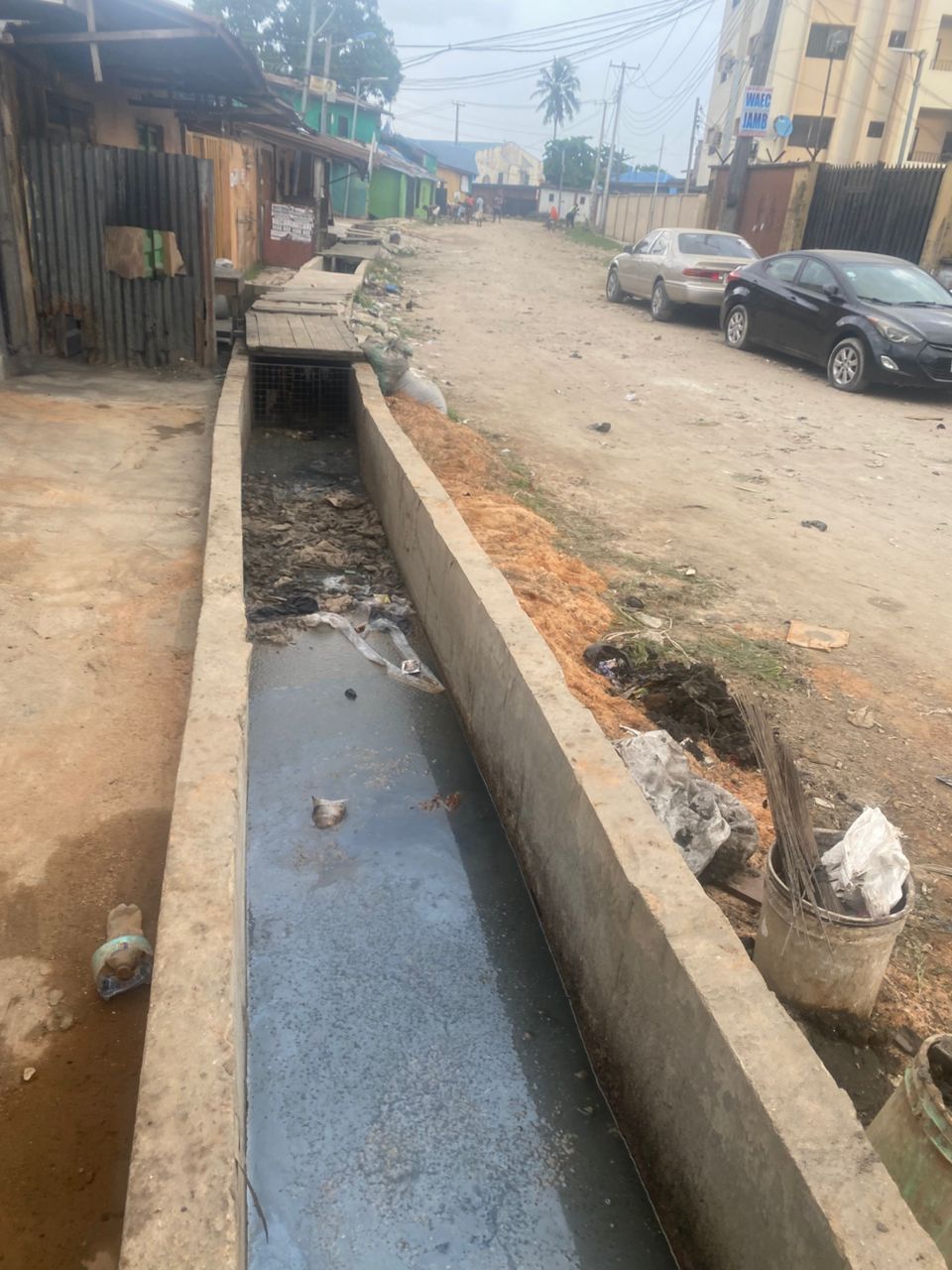
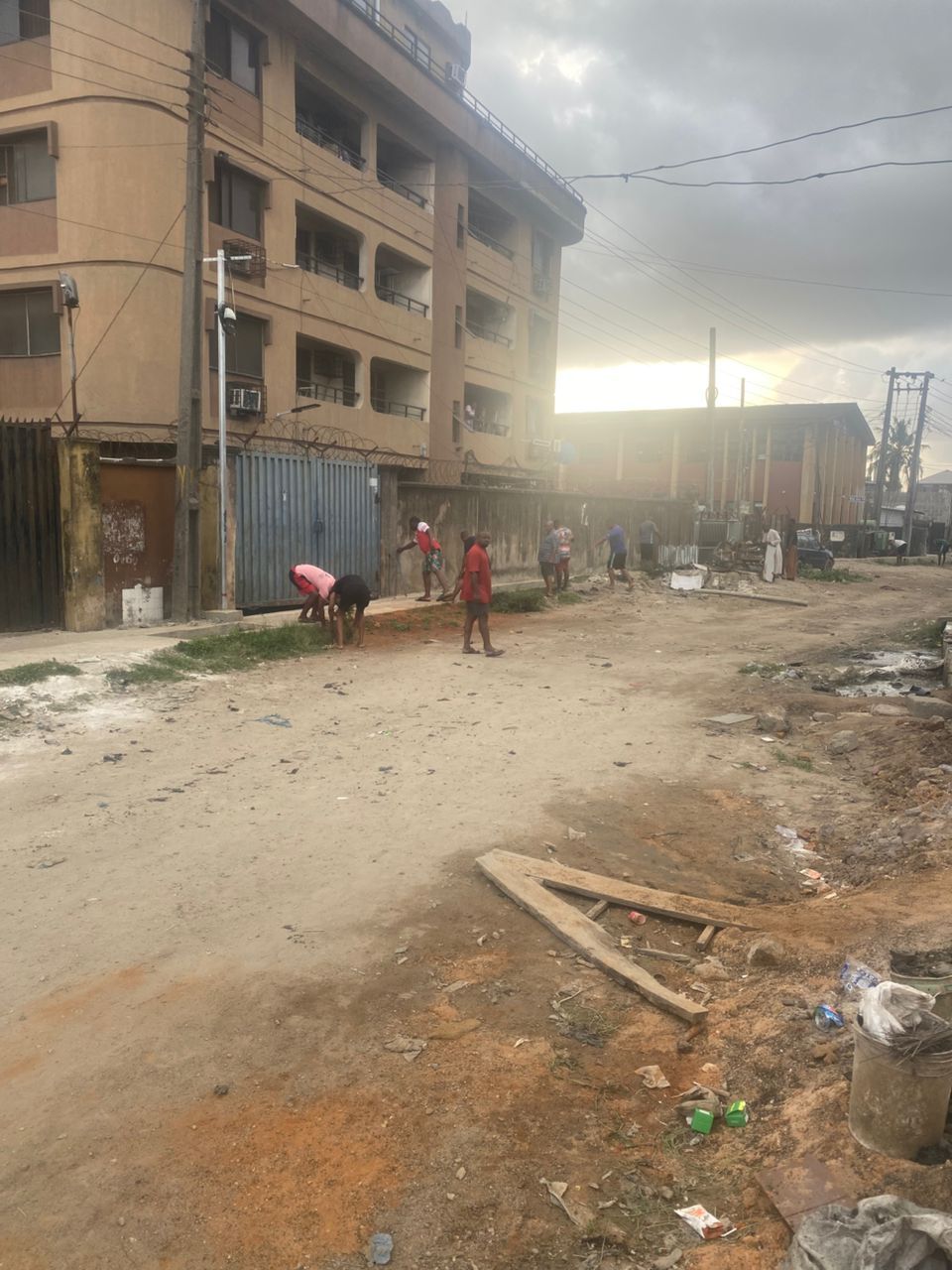
From 6:00 a.m. to 9:00 a.m., the neighborhood transformed into a hub of collective activity as households, traders, and artisans worked together to clear drainage channels and sweep inner roads.
Unlike other regions experiencing “sanitation fatigue,” Ijesha recorded widespread adherence to movement restrictions, with community leaders attributing the success to sustained grassroots awareness campaigns.
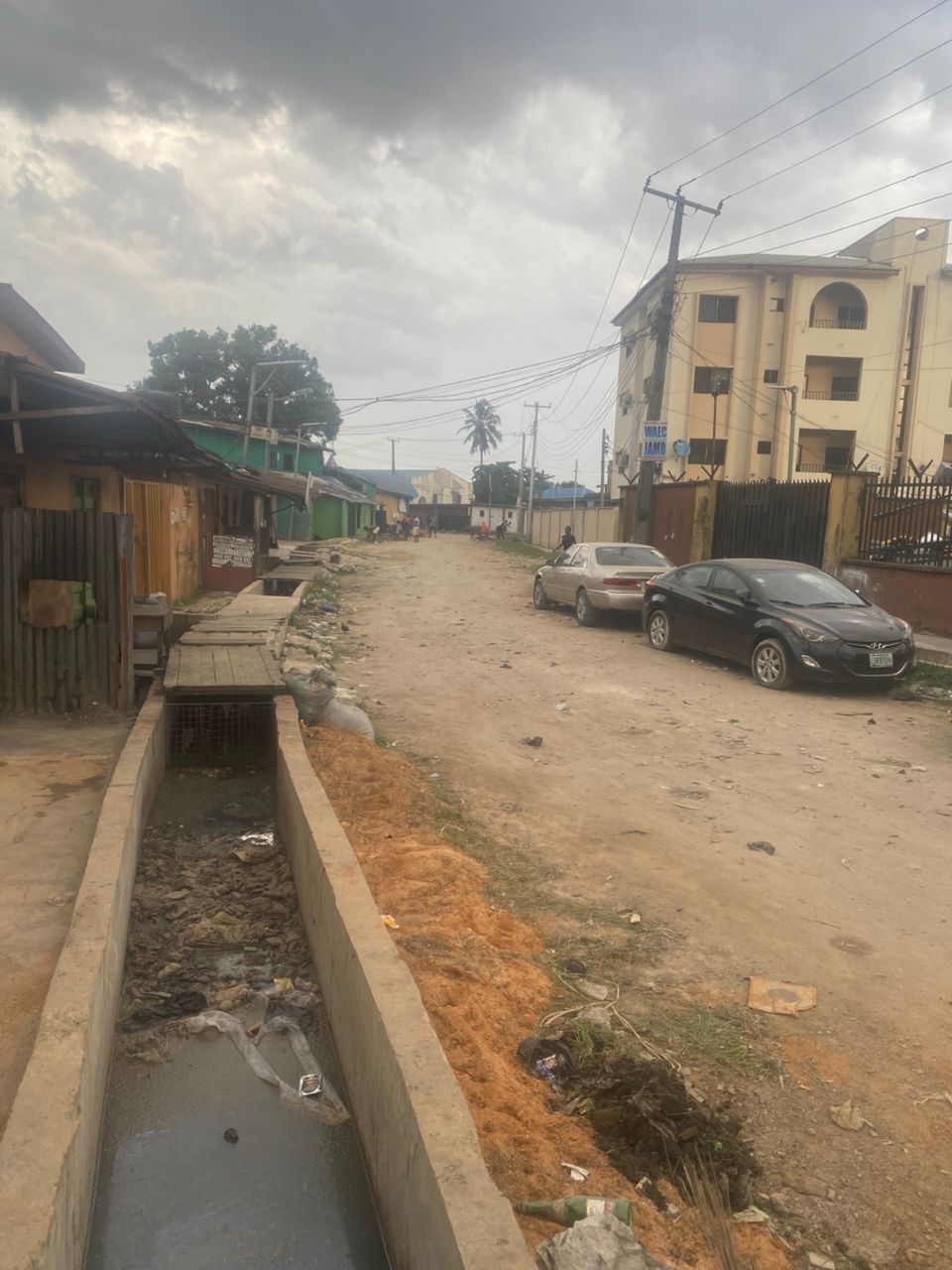
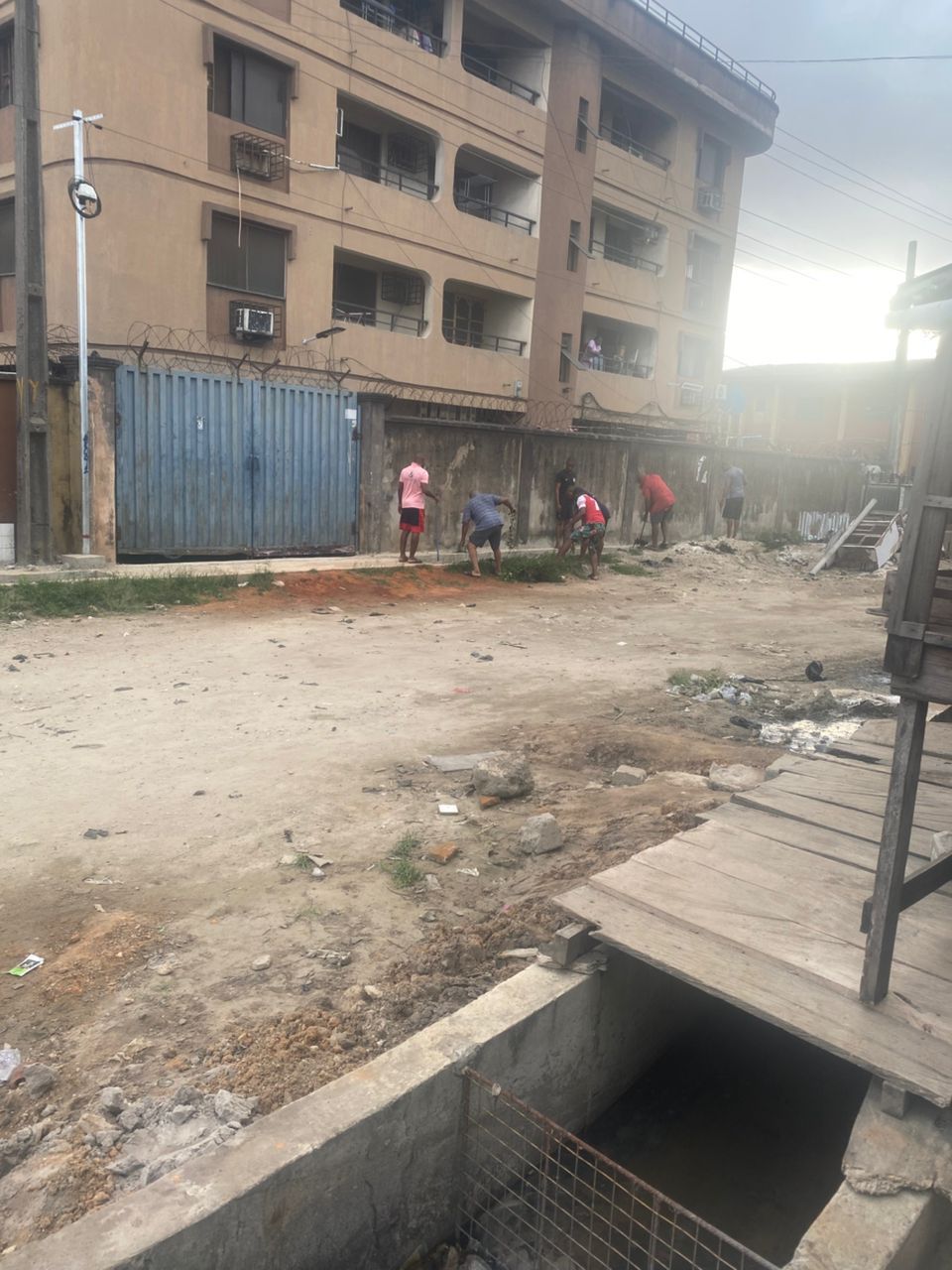
While the turnout was encouraging, residents used the opportunity to call for a more synchronized waste collection system to ensure that the refuse cleared from gutters is promptly evacuated before the rains return.
The high turnout in Ijesha is a mechanical necessity for a “densely populated” urban fabric where the risk of flash flooding is perpetually high.
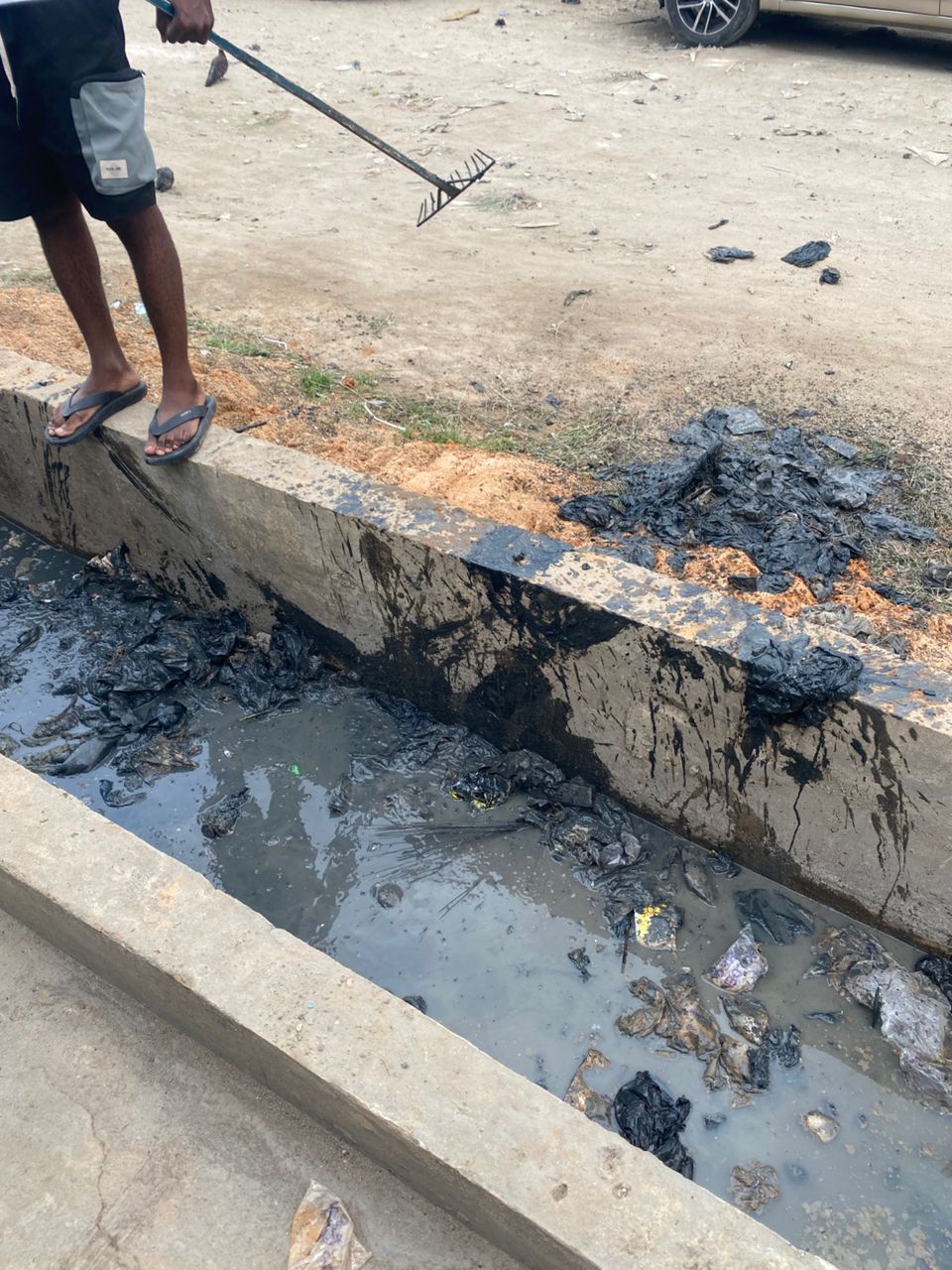
In neighborhoods with high building density, the “Drainage-to-Silt” ratio is often critical; if one street fails to clear its gutters, it creates a hydraulic bottleneck for the entire ward.
The active involvement of artisans and traders in Ijesha suggests that the “Economic Value” of a clean environment, such as preventing flood-related damage to shops, is being successfully communicated to the local business community.
This level of participation aligns with the Sanwo-Olu administration’s broader strategy to restore “environmental discipline” through community-led action.
By achieving high compliance in a major Surulere axis, the government has a functional blueprint for other mainland districts.
However, the recurring plea for “improved waste collection” highlights the final mechanical hurdle: the Secondary Evacuation phase.
For the momentum in Ijesha to be sustainable, LAWMA must ensure that the “visible results” of the residents’ three-hour labor are not washed back into the drains by the next downpour, a loop that has historically discouraged participation in other parts of Lagos.


