
The monthly environmental sanitation exercise in the Alagbado axis of Lagos saw a significant decline in public participation this Saturday, highlighting a growing disconnect between government mandates and community engagement.
While the Lagos State Traffic Management Authority (LASTMA) maintained a visible presence to enforce movement restrictions, resident participation was estimated at a mere 30%.
Observations revealed that while another 30% of residents defied the order to trek to work, the remaining 40% stayed indoors but neglected to clean their surroundings.

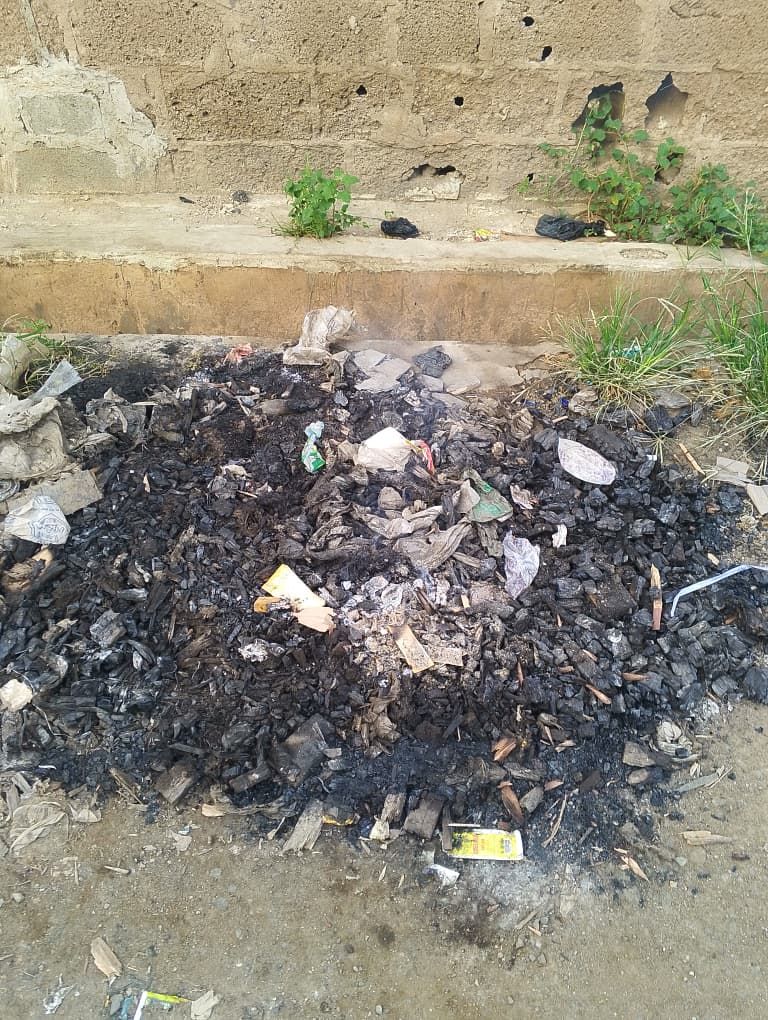
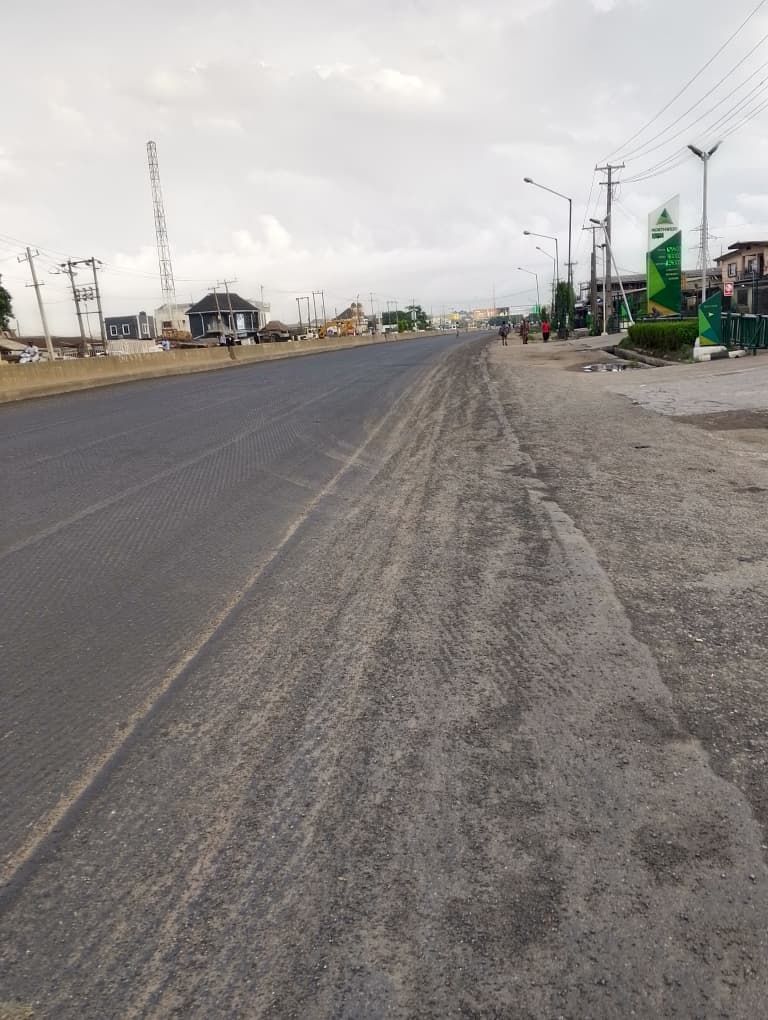


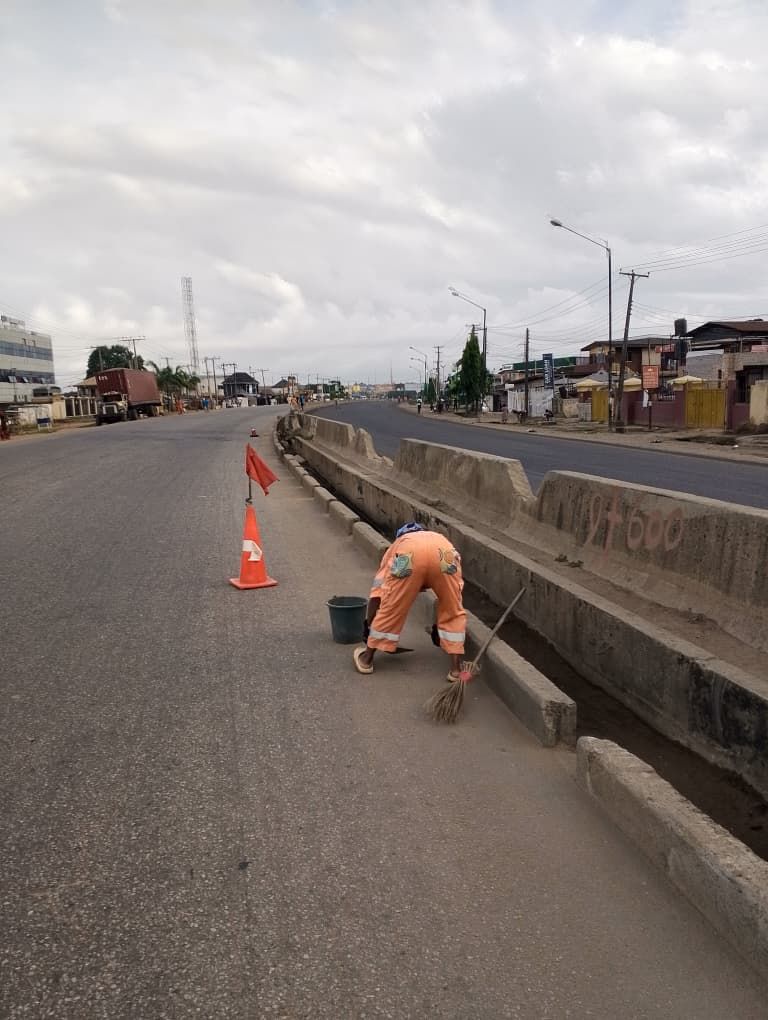

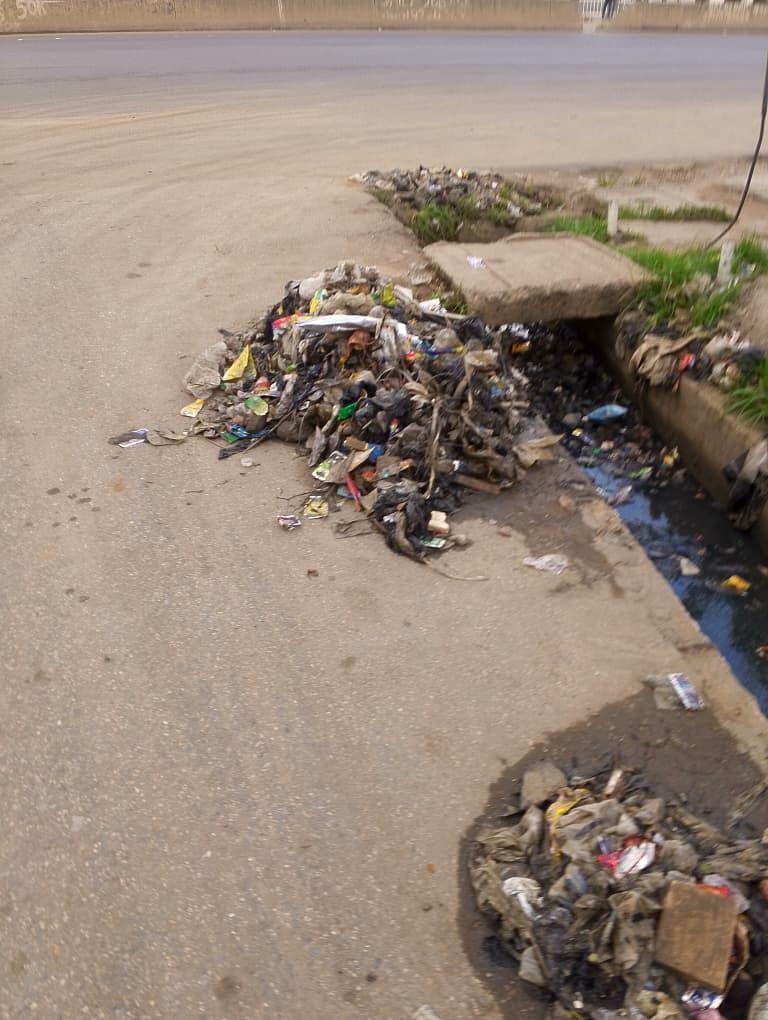
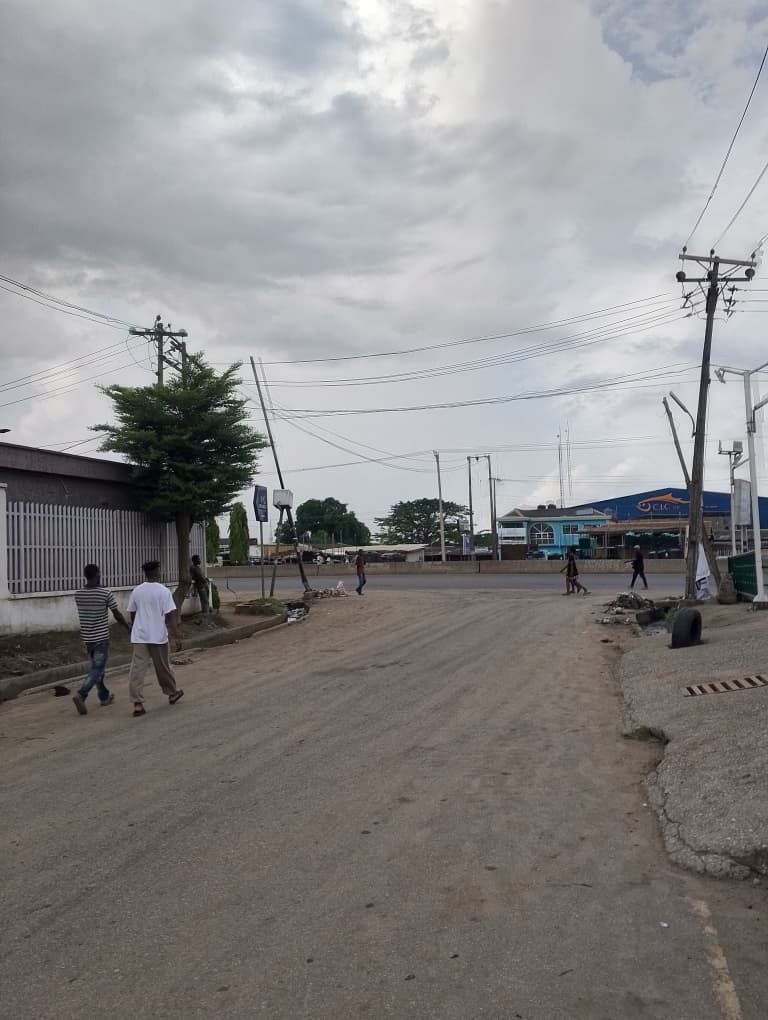
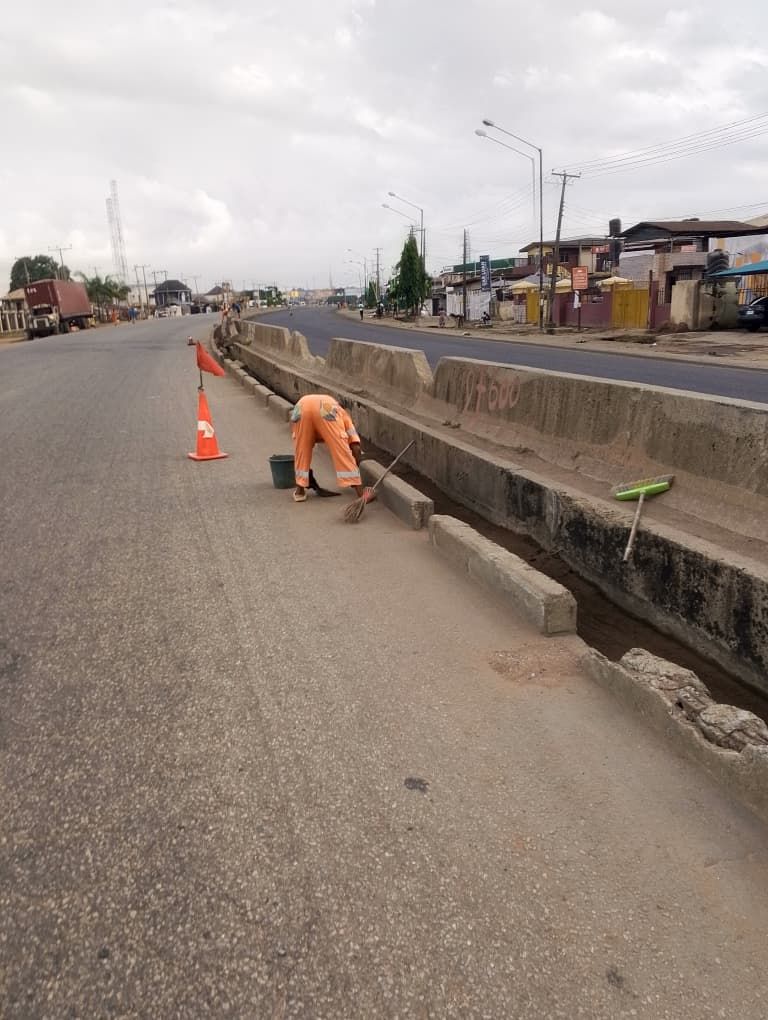


A critical factor in this low turnout was the lack of confidence in the Lagos Waste Management Authority (LAWMA); many participants feared that gathered refuse would be left to rot on roadsides, leading some to resort to the environmentally harmful practice of burning waste.
The situation in Alagbado serves as a microcosm of the “Sanitation Fatigue” currently facing the Sanwo-Olu administration. Historically, these exercises relied on a “social contract” where residents provided the labor and the government provided the evacuation.
When the evacuation side of the mechanical process fails, or is perceived to fail, the entire system of collective responsibility breaks down.
The shift from a community-bonding event to a period of “dormant non-compliance” suggests that the current top-down enforcement model is struggling to compete with the economic pressures of 2026, where residents increasingly prioritize their daily commute over civic duties.
Furthermore, the recourse to waste burning undermines the very environmental objectives the state seeks to achieve. This practice not only creates immediate air pollution but also signals a breakdown in the waste-to-wealth value chain.
For the Ministry of the Environment and Water Resources, the challenge in Alagbado is a mechanical one: to restore compliance, the state must prove that the “last mile” of waste collection is guaranteed.
Without a reliable and visible evacuation strategy, the three-hour movement restriction risks becoming an empty ritual rather than an effective tool for urban hygiene.


