
By Ariyo Zainab
The reintroduction of the monthly environmental sanitation exercise in Ikorodu has been met with significant “sanitation fatigue,” as heaps of uncollected refuse and clogged drainage systems continue to overwhelm key areas despite government-mandated movement restrictions.
Between 6:30 a.m. and 8:30 a.m., while the Lagos State Government expected residents to clean their surroundings, commercial activities and vehicular movement continued largely unchecked in the busy Ikorodu Garage axis.
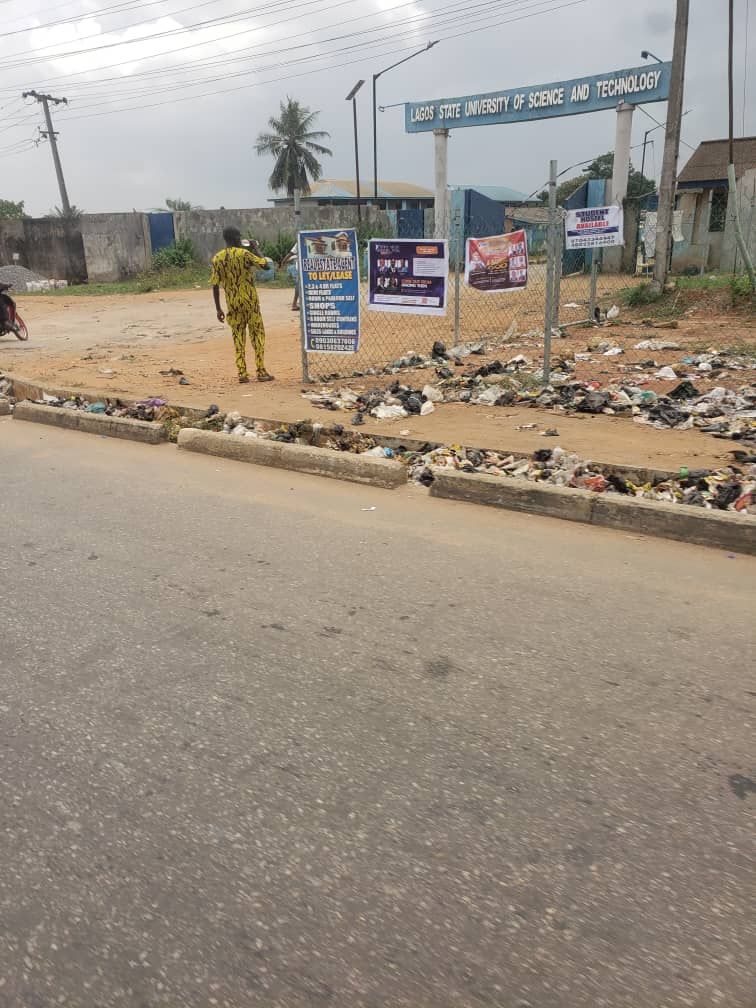
Most notably, the walkway at the Lagos State University of Science and Technology (LASUSTECH) First Gate remained lined with refuse, forcing pedestrians onto the main road.
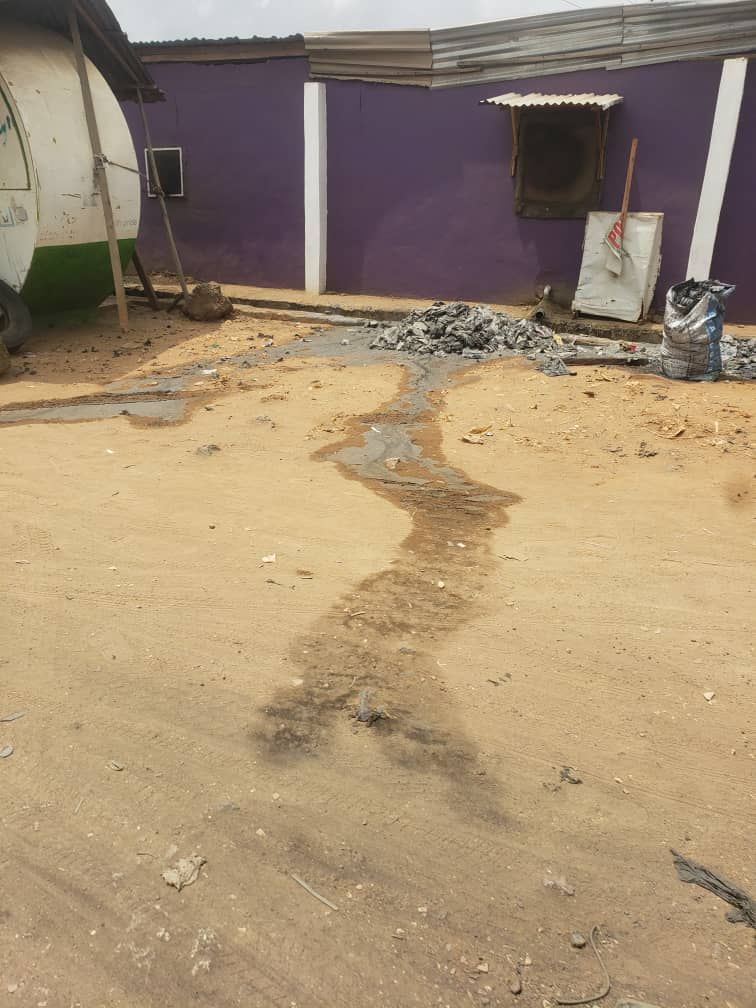
Residents and observers warned that the state’s environmental policies are faltering because the mechanical process of waste evacuation by LAWMA is failing to keep pace with the community’s efforts.
The situation in Ikorodu highlights a critical breakdown in urban waste logistics.
When waste is gathered but not evacuated, it becomes “secondary litter,” redistributed by wind and rainfall back into the very drainage channels residents just cleared. In areas like “Nine 9,” the resulting clogs in the drainage infrastructure significantly increase the risk of flash flooding, a major concern as the rainy season intensifies.
The contrast between the heaps of trash at the LASUSTECH entrance and its status as a leading technical institution underscores a “coordination gap” between state agencies and local stakeholders.
For the Sanwo-Olu administration, the lesson from Ikorodu is that enforcement without evacuation breeds cynicism.
To combat “sanitation fatigue,” the government must transition from merely restricting movement to ensuring a synchronized “sweep-and-load” operation.
Without visible results, namely, empty walkways and clear gutters, the three-hour sanitation window risks being viewed by residents as an unproductive inconvenience rather than a civic necessity.


