
By Osordi Ayomide
In most political cycles, when a new President takes the helm of administration, the power dynamics change. However, despite the changing dynamics the underlisted politicians have continued to hold significant political might even across party divides.
1. Godswill Akpabio
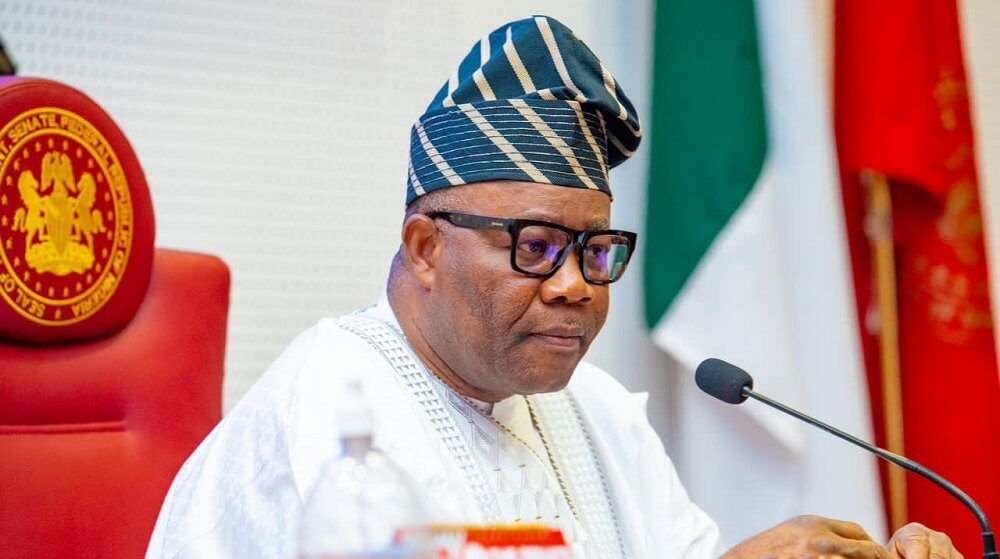
Akpabio’s career is a masterclass in political flexibility without ideological loyalty.
As Governor of Akwa Ibom State (2007–2015), he operated comfortably during the Yar’Adua/Jonathan years. When power shifted, so did Akpabio—landing a ministerial role under Muhammadu Buhari, and later emerging as Senate President under Bola Tinubu.
To supporters, he’s a political genius. To critics, he represents everything wrong with Nigeria’s “anything-goes” power culture.
2. Ahmad Lawan
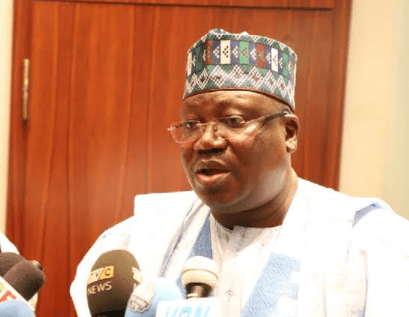
From lecturer to long-term legislator, Lawan’s story is less about policy and more about perfect political timing. He entered the National Assembly in 1999 under Obasanjo, survived party transitions, re-emerged under Jonathan, and rose to Senate President under Buhari.
While governments came and went, Lawan remained fueling arguments that Nigeria’s legislature is a career safe haven, not a reform engine.
3. Babagana Kingibe
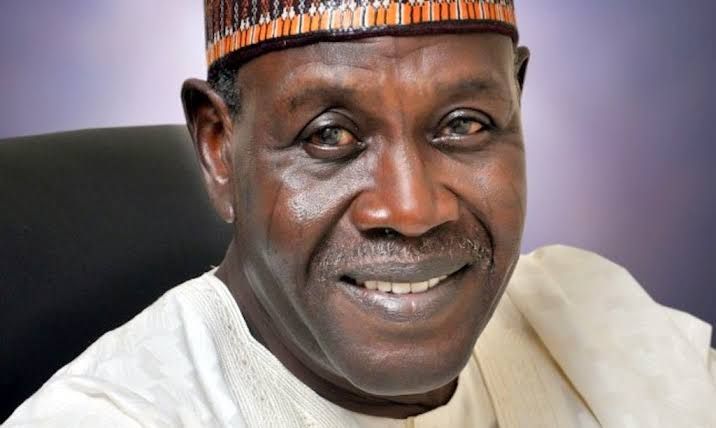
Few politicians embody Nigeria’s political continuity like Kingibe.
From the Babangida military era where he served in the Constituent Assembly to ministerial roles under Sani Abacha, and later resurfacing in civilian governments, Kingibe’s résumé reads like a tour of every major power bloc since the 1980s.
4. Chris Ngige
Ngige’s entry into politics was marked by one of Nigeria’s most infamous godfather crises as Governor of Anambra State under Obasanjo.
Despite that controversy, he reinvented himself—becoming a Senator under Jonathan and later Minister of Labour under Buhari.
Follow @newsdirectinsights across social media platforms for more insightful information like this
Instagram: https://www.instagram.com/newsdirectinsights?igsh=MWdveDVkZ3N5cnZveQ==
Facebook: https://www.facebook.com/share/1BjRmh75mH/


