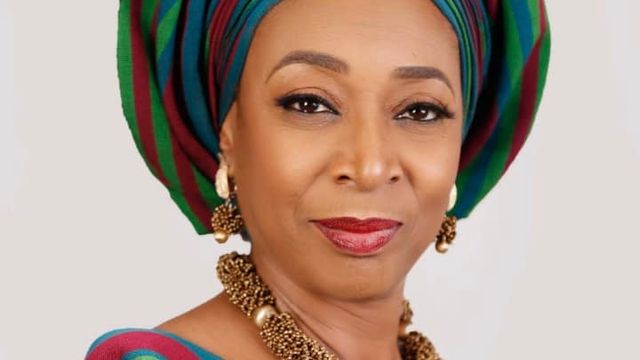
The Maryam Babangida National Centre for Women’s Development has called on the media to help government communicate effectively its interventions and opportunities for women in communities.
The centre’s Director-General, Dr Adedayo Benjamins-Laniyi, made the call in an interview with reporters on Tuesday in Abuja.
She said the challenge was no longer the availability of government programmes but ensuring that women and girls were adequately informed and able to access them.
Benjamins-Laniyi explained that the media has an important role to play in correcting misinformation and helping citizens understand and take advantage of available government interventions.
The D-G said government had continued to provide interventions and opportunities targeted at women and young girls, but misinformation and inadequate public awareness could prevent intended beneficiaries from accessing them.
According to her, effective communication is critical to ensuring that these government interventions reach the people they are designed to serve.
“We need you, the media. Yes, the intermediaries to help us help them.
“We put everything out there and people are not doing because other people will go online and say it’s a lie,” she said.
She, therefore, urged media organisations to investigate and clarify information about government programmes rather than allowing misinformation to discourage potential beneficiaries.
“It’s how to get it to the market. How to get it out there. I believe that’s real advocacy. We need you to tell us that.
“Please, help us to know how to reset, how to repackage, how to give it back to the community,” she urged.
Benjamins-Laniyi said women and young girls could also improve their economic circumstances by actively seeking out and participating in government interventions designed to support them.
“There’s an avalanche of so much in terms of interventions, opportunities.
“Is it for women, for young girls? All these ones saying they don’t have a job, you can give yourself a job today,” she said.
She encouraged women and young people to follow up on the interventions and opportunities available to them rather than assuming that such programmes do not exist