Nigeria’s tourism story may need fewer conference speeches and more people physically visiting, experiencing and promoting its attractions.
This was the message from Uche Chinonso, popularly known as Mr Nonso, during his one-day Lagos Summer tour.
The tourism consultant organised the tour to encourage Nigerians to discover local destinations while creating experiences that could also interest foreign visitors.
Chinonso, who is also the Founder of E Travels and Tour, said Nigeria held 30 to 40 tourism conferences annually, yet similar conversations continued without enough practical destination promotion.
“We don’t lack destinations or places to visit. We just lack the PR and the marketing of the destination,” he said.
He noted that Nigerians often failed to patronise destinations, villages, forests, masquerades and cultural attractions.
Chinonso added that Nigerians must first consume what the country offered before expecting foreigners to travel to Nigeria.
“We cannot sell what we don’t have,” he said.
He said the tour, which was the fourth edition, had taken participants to Abuja, Akwa Ibom and Enugu, while Lagos was selected again for the current tour.
For Chinonso, the answer is not simply attracting foreign tourists, but getting every Nigerian to become an advocate for Destination Nigeria.
He urged Nigerians to make local travel part of their yearly plans and share their experiences online, rather than showcasing only foreign-looking lifestyles.
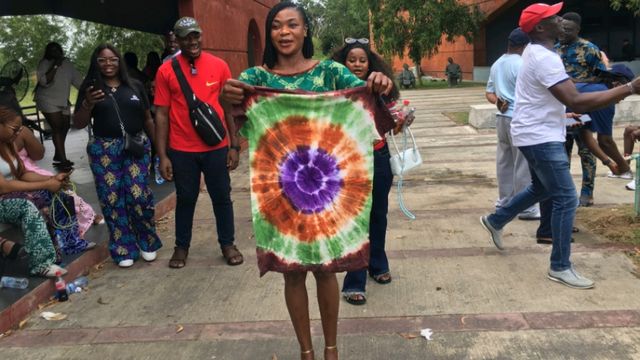
News men reports that the tour, which attracted no fewer than people, including children and foreigners, visited Nike Art Gallery, Yemisi Shyllon Museum of Arts and Elegushi Private Beach, with guided tours about Nigeria history and heritage, and a tie-and-dye session at the museum.
At the Yemisi Shyllon Museum, Solomon Nkwagu, Head of Corporate Communication and Visitor Services, presented the museum as more than a tourist attraction.
While encouraging questions and conversations from the tourists, Nkwagu said the museum served the university and wider society by helping visitors learn with art and through art.
He also highlighted environmental sustainability, pointing to artworks made from PET bottles and encouraging visitors to reflect on issues affecting society.
For Rwandan visitor Ginette Kadigiri, repeated visits to gallery offered a refreshing encounter with Nigerian creativity and culture.
Kadigiri, who is also the Regional Manager, West and Central Africa at RwandAir, said she had visited the gallery about 10 times and found its four floors of art significantly larger than similar galleries in Rwanda.
Her son, Kayitare Dylan, visiting Lagos for the first time, discovered Nigerian cultural diversity through artworks depicting traditions, people and everyday life.
Dylan said though he was not an artist, an artwork depicting a forest had inspired him to consider creating something representing his community.
Cynthia Duwah said travelling in BRT buses was itself a highlight because it gave the tourists what she described as a full Lagos experience.
Duwah said the affordable tour also demonstrated that Nigerians could have fun locally, make friends and expose their children to society without travelling abroad.
Jummai Daria, from Abuja, discovered more about Benin art and culture, while artworks made from recycled materials showed her children how waste could become wealth.
Daria also said the tour helped preserve Nigerian heritage for younger generations, noting that children could remember what they physically encountered more vividly than what they only read in books.
Together, the experiences suggest that Destination Nigeria may gain more from Nigerians becoming tourists, storytellers and promoters of their own country than from another round of tourism conversations.