
…Sheds light on struggles of FGM survivors
Stop the Razor, a powerful documentary directed by Nigerian filmmaker Ayoola Jolayemi, has been awarded Best Documentary – International at The Alternative Film Festival, earning international acclaim for its emotional resonance, global significance, and outstanding narrative craft.
The film centres on the extraordinary story of Betty Ajele, a Nigerian survivor of Female Genital Mutilation (FGM), who bravely steps into the spotlight to share her experience. In a bold rejection of the silence and stigma that often surrounds FGM, Betty chose not to remain anonymous. Instead, she insisted on being fully seen and heard, reclaiming her identity and offering inspiration to survivors worldwide.
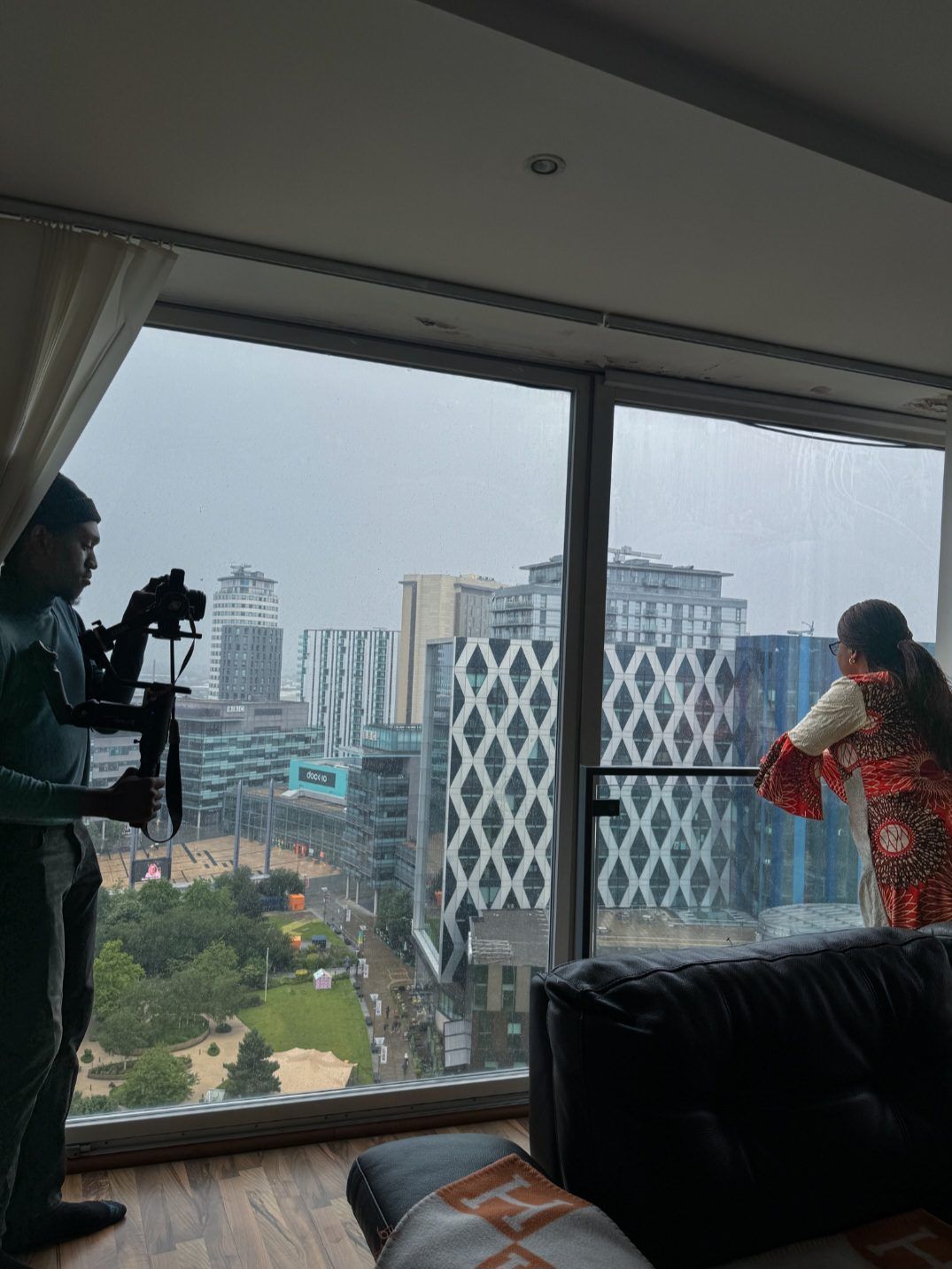
The documentary was executively produced by Dr Bola Oyelakin-Ogungbadejo, Executive Director of Change Agent Network, whose vision and advocacy have been pivotal in amplifying survivor voices and fostering dialogue around FGM.
The award signals Stop the Razor’s growing impact as a key intervention in the global discourse on FGM, shining a light on the realities faced by survivors and the need for ethical, survivor-led storytelling.
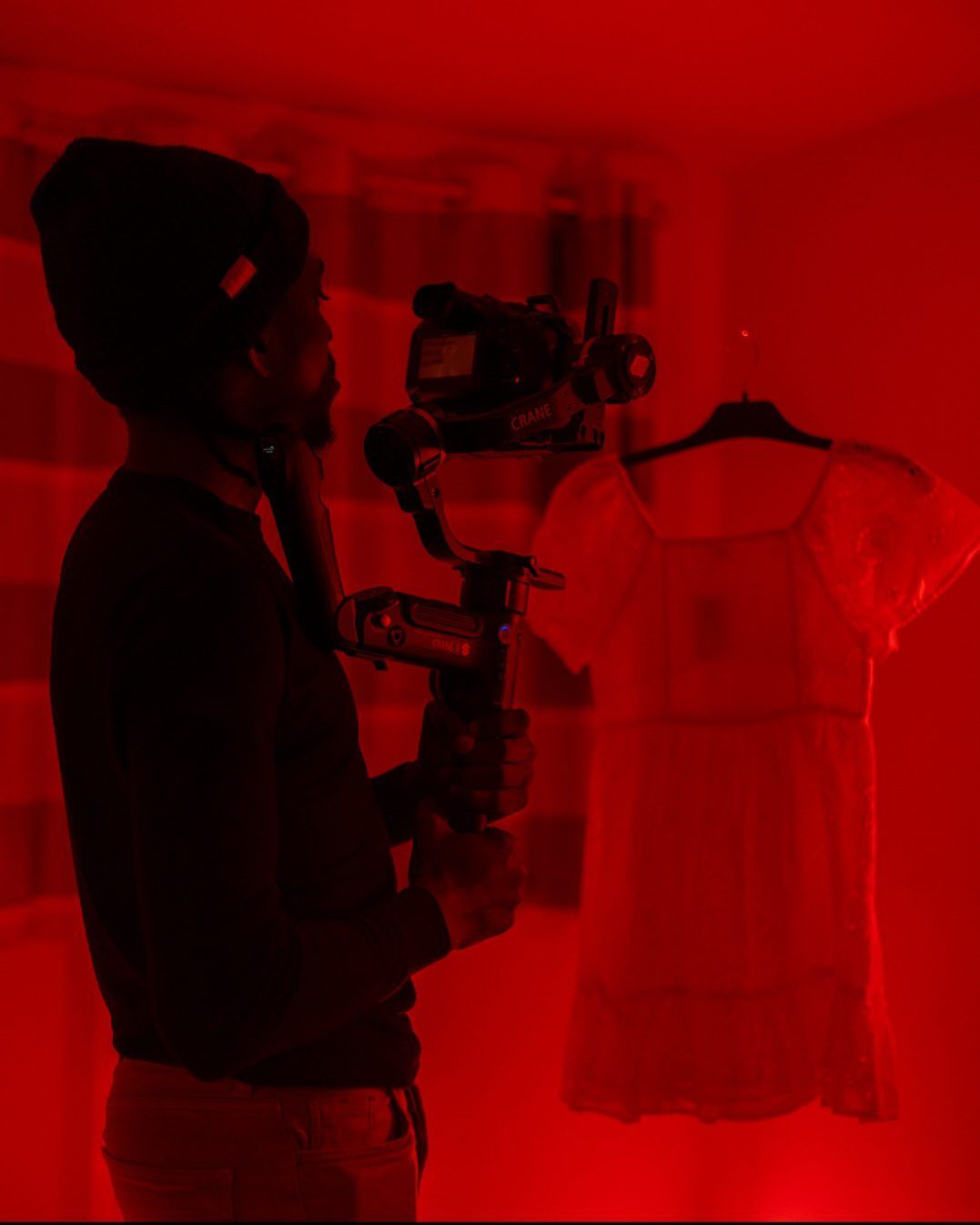
Speaking of the award, Jolayemi said, “I’m incredibly grateful for this award, but for me, it’s more than just recognition. It’s about giving people the opportunity to understand the reality of FGM and to witness the resilience of survivors like Betty. Her strength is the soul of this film, and I’m honoured to have been entrusted with helping to share it.”
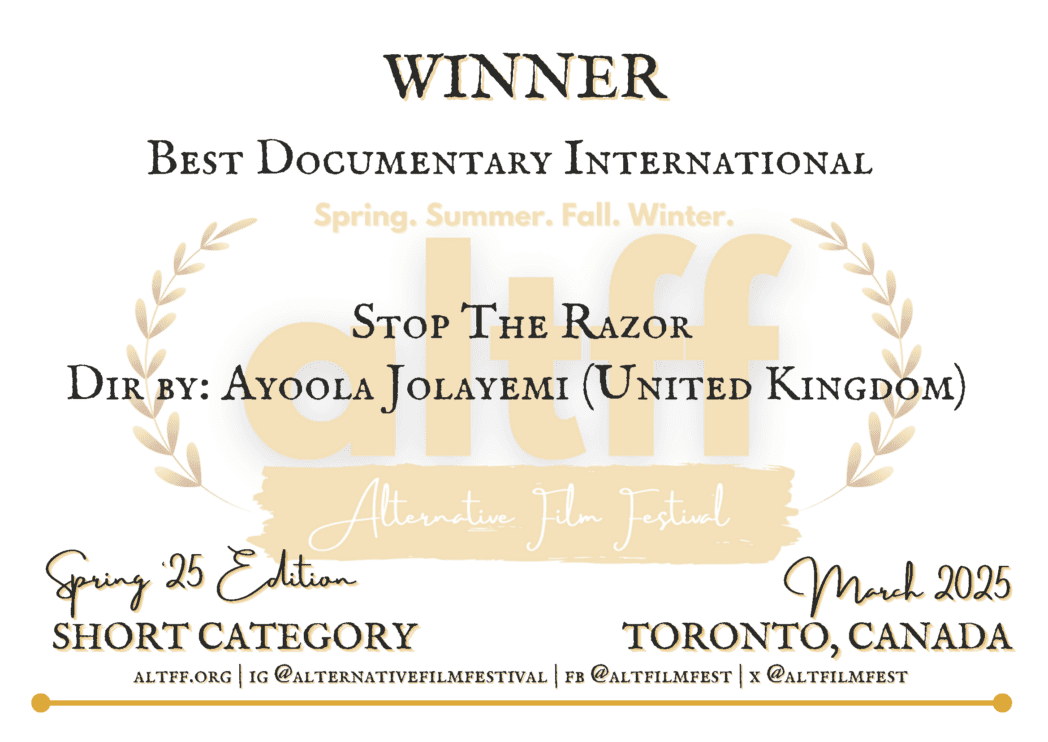
This achievement adds to Jolayemi’s expanding portfolio of socially driven work. He is also the director of Made for More, which advocates for disability inclusion, and When the Dust Settles, a documentary capturing the lives of refugee families. Both films have been praised for their depth, sincerity, and community-based approach to storytelling.
Jolayemi’s commitment to ethical representation extends beyond the screen. He lectures at the University of East Anglia, where he teaches courses on storytelling, participatory documentary methods, and the responsible portrayal of marginalised communities.
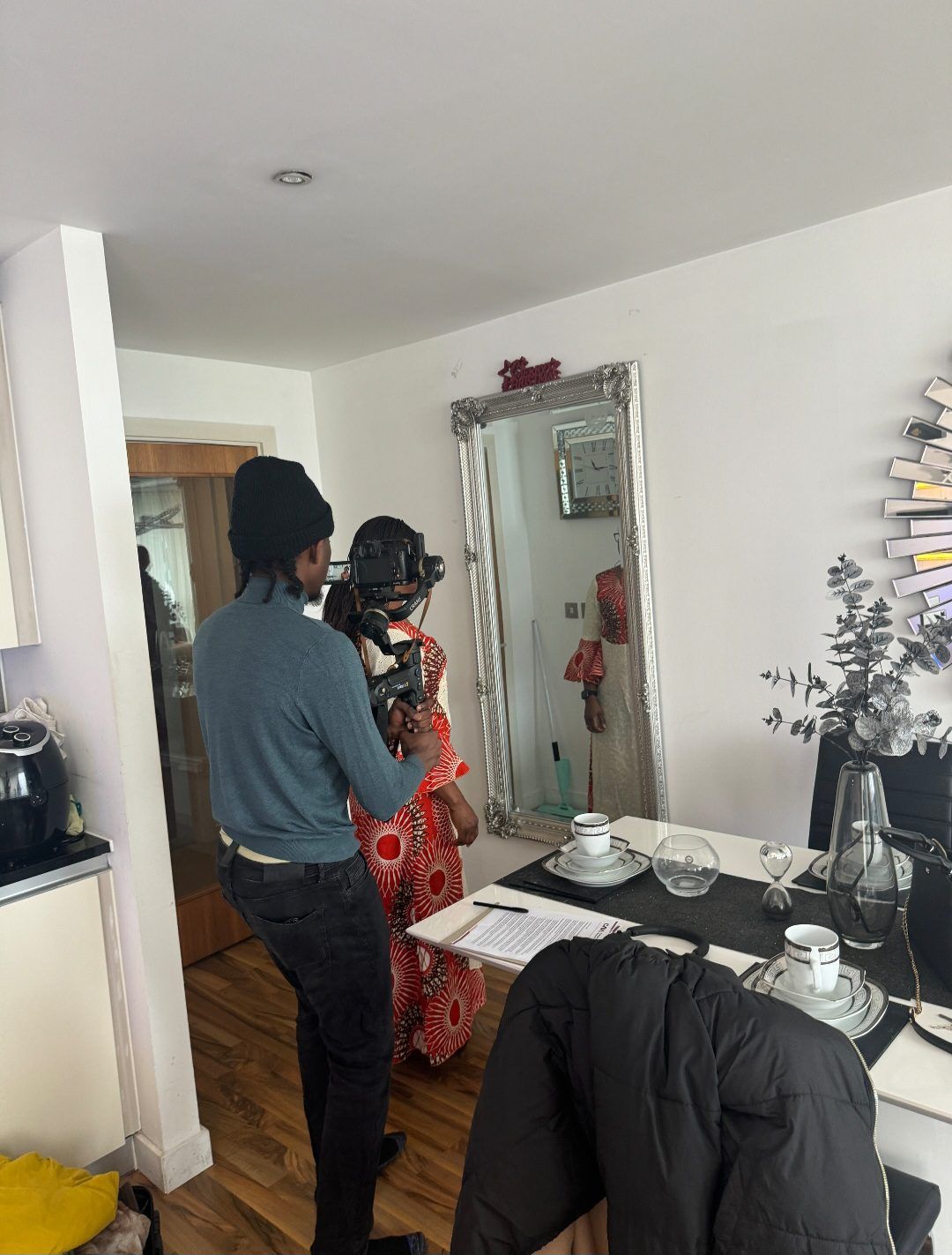
Stop the Razor continues its international festival journey, with further educational and advocacy screenings scheduled in the coming months.


