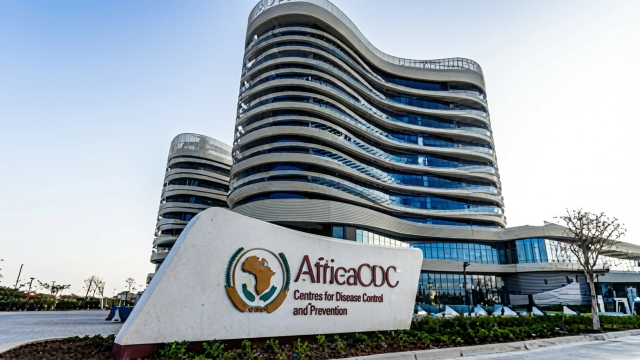
The Africa Centres for Disease Control and Prevention (Africa CDC) has inaugurated a pilot certificate programme to strengthen Africa’s clinical research workforce, equipping mid-career physicians, pharmacists and other professionals with practical skills.
Africa CDC announced the initiative on Friday through its official X handle, stating that it would expand the continent’s pool of skilled researchers capable of leading clinical studies and advancing medical innovation.
The programme, led by Africa CDC’s Science and Innovation Division, aims to strengthen Africa’s capacity to develop vaccines, therapeutics and diagnostics, while improving research and development capabilities for outbreak preparedness and response.
“It will also strengthen Africa’s capacity to conduct research and development for outbreak preparedness and response,” it said.
According to the agency, the programme combines two weeks of academic instruction in Addis Ababa, Ethiopia, with eight-week practical placements at clinical research organisations in participating African countries.
“The placements will take place in Nigeria, Ethiopia, the Democratic Republic of the Congo (DRC) and Zambia.
“The curriculum covers clinical trial implementation, research ethics, data management, pharmacovigilance, laboratory and translational research, scientific writing and grant development, providing participants with skills relevant to clinical research management.
“The training is designed to provide participants with practical knowledge and experience to support the planning, implementation and management of clinical research.
“The Armauer Hansen Research Institute (AHRI) and the Centre for Innovative Drug Development and Therapeutic Trials for Africa (CDT-Africa) will contribute to the academic instruction.
“Selected partner organisations will provide participants with hands-on experience through the practical placement component of the programme.
“The initiative is expected to increase Africa’s capacity to lead clinical studies, strengthen research expertise, support medical innovation and improve the continent’s ability to develop health solutions and respond effectively to disease outbreaks,” it said.