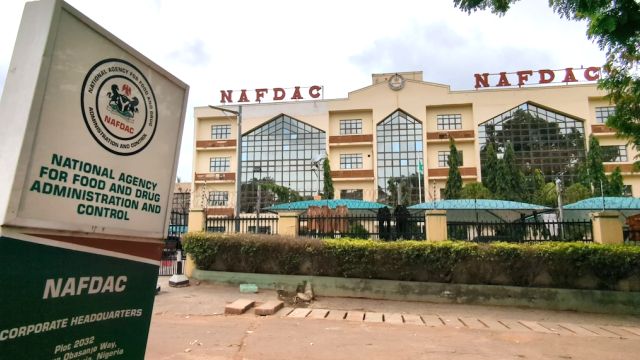
The Director-General of the National Agency for Food and Drug Administration and Control (NAFDAC), Professor Mojisola Christianah Adeyeye, has called for deeper cross-border collaboration and timely information sharing among African regulators to fortify the continent’s food safety networks.
Addressing delegates at the Third African Food Regulatory Authorities Forum (AFRAF) in Cairo, Egypt, Professor Adeyeye emphasized that food safety can no longer be managed within isolated national borders.
Given increasingly interconnected food supply chains, climate-related hurdles, the rise of food fraud, and expanding intra-African trade, she stressed that regulators must transition from merely working alongside each other to actively working with one another.
The three-day continental gathering, hosted by Egypt’s National Food Safety Authority in partnership with regional economic communities and the United Nations Industrial Development Organisation (UNIDO), was organized by the Global Food Regulatory Science Society under the theme “Advancing Africa’s Integrated Food Regulatory Future.”
The event brought together food safety heads, development partners, and industry stakeholders to refine regional sanitary coordination and support the Food Safety Strategy for Africa.
During the summit, Professor Adeyeye advocated for transparent, science- and risk-based regulatory systems underpinned by strategic harmonization, mutual learning, and robust analytical capabilities.
She noted that achieving regulatory convergence requires deliberate investments in laboratory infrastructure, digital surveillance technologies, and human resource development.
Highlighting Nigeria’s regulatory framework during the sessions, the NAFDAC delegation showcased the agency’s strategic evolution from routine compliance checks to advanced risk-based oversight.
Presentations spotlighted Nigeria’s emphasis on preventive controls like Good Manufacturing Practices and Hazard Analysis Critical Control Point protocols, alongside digital monitoring tools including NAPAMS, PIDCARMS, and the Laboratory Information Management System.
The agency also detailed its preparedness for emerging continental challenges, such as antimicrobial resistance and climate-induced food vulnerabilities.
Reaffirming Nigeria’s dedication to the continental agenda, Professor Adeyeye pledged NAFDAC’s full commitment to sharing institutional expertise, technical resources, and regulatory intelligence with the African Union Commission and fellow regional authorities to secure safe food systems and healthier populations across Africa.