
The Minister of Power, Engr. Joseph Olasunkanmi Tegbe has commissioned the newly constructed 120MVA, 132/33kV Billiri Transmission Substation in Gombe State, marking a significant milestone in Nigeria’s electricity transmission infrastructure in the country.
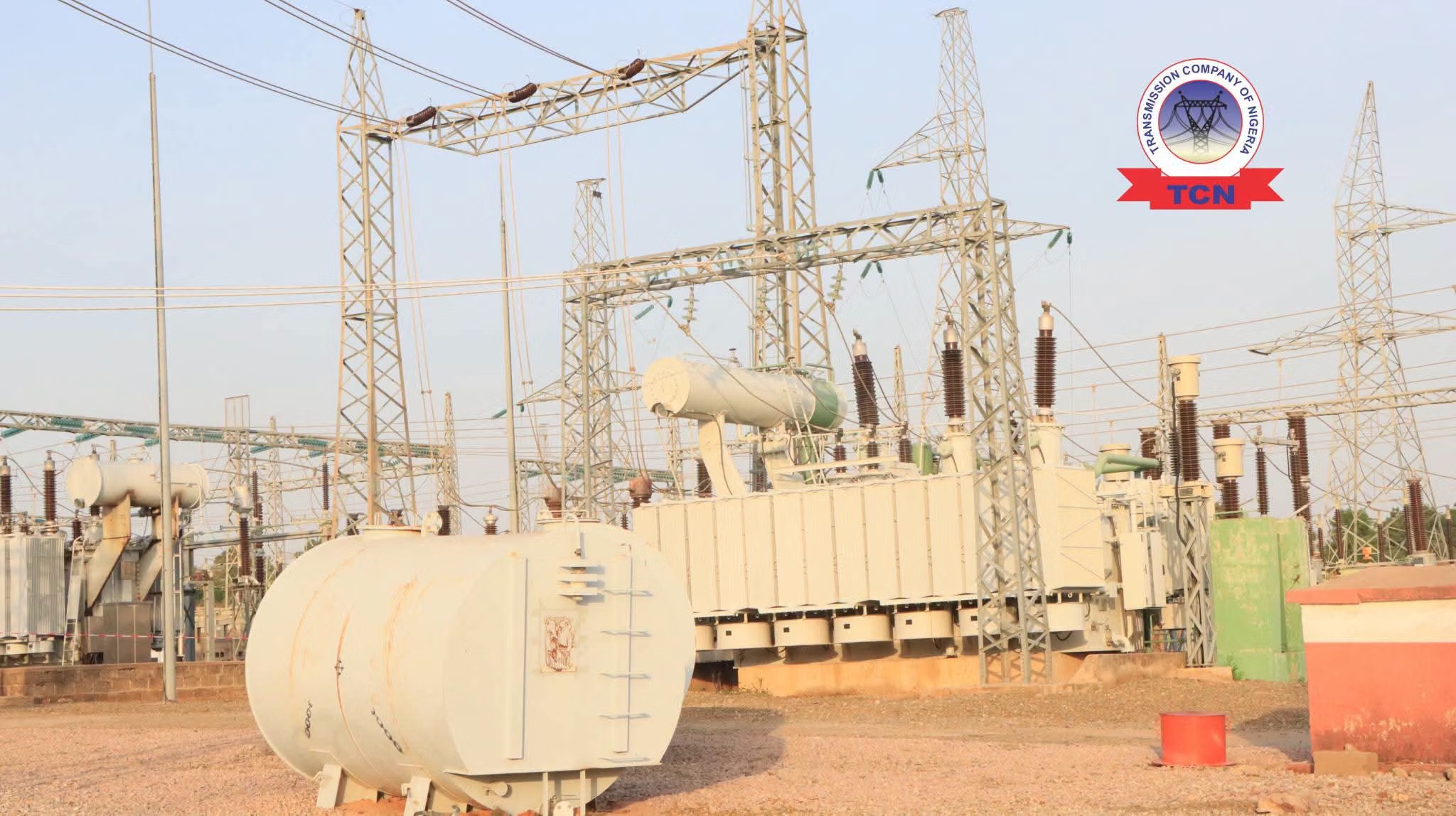
This is as the Minister also commissioned a 1x300MVA, 330/132kV and a 1x100MVA, 132/33kV power transformers at the 330/132/33kV Gombe Transmission Substation.
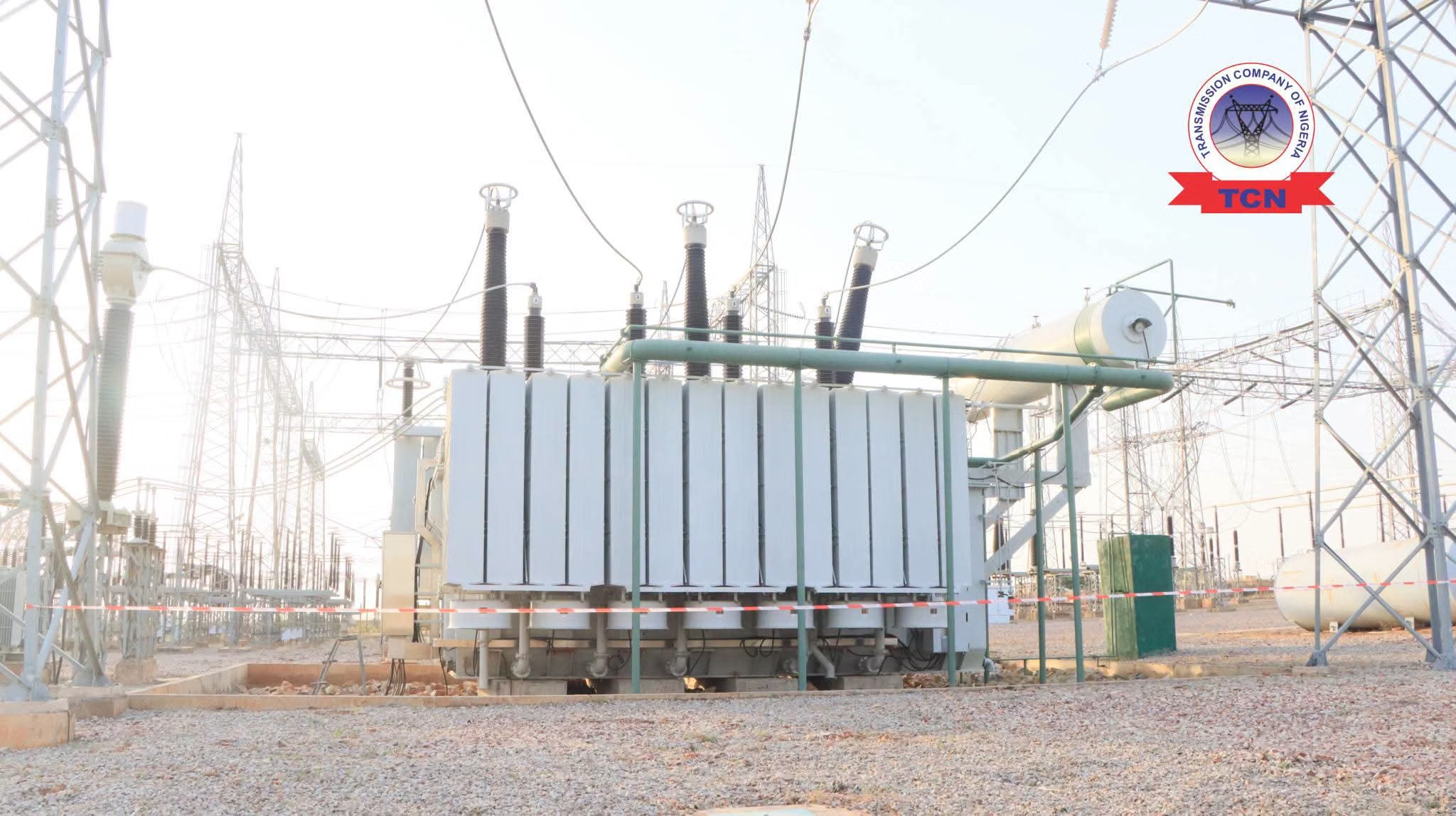
The substation, equipped with two 60MVA power transformers and six outgoing 33kV feeders will increase the transmission capacity to Billiri, Numan and adjoining communities within the Jos Electricity Distribution Company (JED) franchise area.
Speaking at the commissioning events, the Minister said the project reflects the commitment of President Bola Ahmed Tinubu’s administration to expanding, rehabilitating and modernising critical transmission infrastructure.
He noted that strategic investments in the transmission network were essential to addressing infrastructure bottlenecks, improving electricity delivery and creating an enabling environment for industrialisation and business growth, in line with the administration’s ambition of building a one-trillion-dollar economy.
He described the Gombe substation as a strategic transmission hub serving Gombe and neighbouring North-East states, including Yobe, Borno and Adamawa.
The Minister explained that before the intervention, the substation had 300MVA upstream capacity, supported by two 150MVA transformers, and 150MVA downstream capacity, resulting in operational constraints as demand increased. The new 300MVA transformer doubles upstream capacity to 600MVA (480MW), while replacing the old 30MVA unit with a 100MVA transformer increases downstream capacity to 220MVA (176MW).
He reaffirmed the Federal Government’s determination to address the structural challenges in the power sector through sustained reforms and targeted infrastructure investments, stressing that inadequate electricity infrastructure should not limit the economic potential and development opportunities of communities across the country.
In his remarks, the Managing Director/Chief Executive Officer of the Transmission Company of Nigeria (TCN), Engr. Sule Ahmed Abdulaziz, described the commissioning as another demonstration of the Company’s commitment to expanding and strengthening the national transmission network to ensure efficient and reliable bulk electricity delivery.
He explained that the new substation would reinforce the transmission-distribution interface, improve network flexibility, relieve pressure on existing facilities and provide the capacity required to accommodate present and future electricity demand in the area.
He noted that replacing transformers at an operational station is a complex process, requiring careful coordination to maintain supply while the old units are removed and the new ones installed.
He explained that the upgraded transformers provide greater operational flexibility, enabling the station to transmit more power through the 330kV network and increasing the Jos Electricity Distribution Company’s capacity to off-take electricity for its customers in Gombe.
Engr. Abdulaziz thanked President Bola Ahmed Tinubu, the Minister of Power, the people of Gombe State, the Emir of Gombe and the host community for their support and cooperation.
He reaffirmed TCN’s commitment to expanding and strengthening the national transmission network and urged residents to promptly report vandalism or suspicious activities along transmission corridors to security agencies or the nearest TCN office.
He further assured Nigerians that TCN was implementing several transmission projects across the country, while simultaneously rehabilitating existing infrastructure and deploying modern technologies to enhance operational efficiency, grid stability and network reliability.
The TCN Managing Director also appealed to host communities to safeguard the newly commissioned facility and other associated transmission assets against vandalism and encroachment.
He emphasised that the protection of critical national infrastructure was a collective responsibility requiring the cooperation and vigilance of all stakeholders.


