
By Ejire Folakunmi
Rising fuel prices in Nigeria have sparked widespread criticism, with many citizens expressing frustration over economic hardship and government appeals for patience.
Petrol prices have climbed to nearly ₦900 per litre in parts of the country, driven largely by global oil market volatility linked to ongoing geopolitical tensions. The development has intensified pressure on households and businesses already grappling with high living costs.
President Bola Ahmed Tinubu recently acknowledged the impact, describing fuel prices as “biting hard,” but noted that Nigeria’s situation remains comparatively better than some other African countries.
However, his remarks, and similar calls for endurance, have drawn sharp reactions online, where many Nigerians argue that the government’s response has not matched the severity of the economic strain.
The debate gained further traction following comments by First Lady Remi Tinubu, who urged young Nigerians to remain hopeful.
“The Holy Spirit kept telling me you have to speak to these young people to be patient, better days are yet to come,” she said.
Her statement quickly went viral, prompting mixed reactions across social media platforms.
An X user, Ife Salako (@ifesalakooffice), compared Nigeria’s situation with other African countries, writing: “Iran War… Ghana – Reduced fuel price. Namibia – Reduced fuel price. Tinubu – Baby steps of pains.”
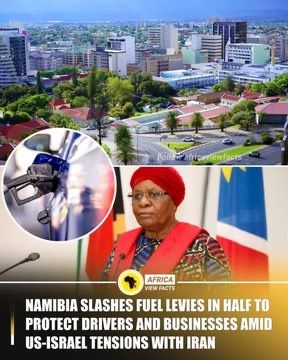
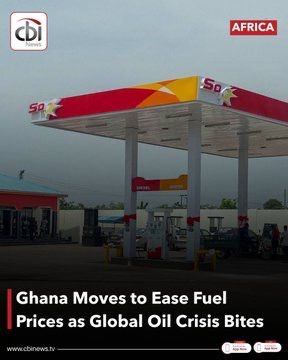
The comment reflects a broader sentiment among critics who argue that countries such as Ghana and Namibia have introduced measures to cushion the impact of rising global oil prices, while Nigerians continue to face increasing costs.
Supporters of the administration, however, maintain that the government is navigating complex global economic realities and implementing reforms aimed at long-term stability.
The growing public discontent comes as political conversations begin to tilt toward the 2027 general elections, with economic performance expected to remain a central issue in national discourse.


