
By Ejire Folakunmi
Calls for the resignation of the Chairman of the Independent National Electoral Commission, Amupitan, have intensified online as controversy surrounding alleged bias and political neutrality continues to generate debate ahead of the 2027 elections.
The hashtag #AmupitanMustGo gained traction after claims emerged linking a pro-APC social media account to the chairman’s alleged email and phone details from his University of Jos records. The account reportedly shared posts supporting Pres. Bola Tinubu and criticising opposition figures, including Peter Obi.
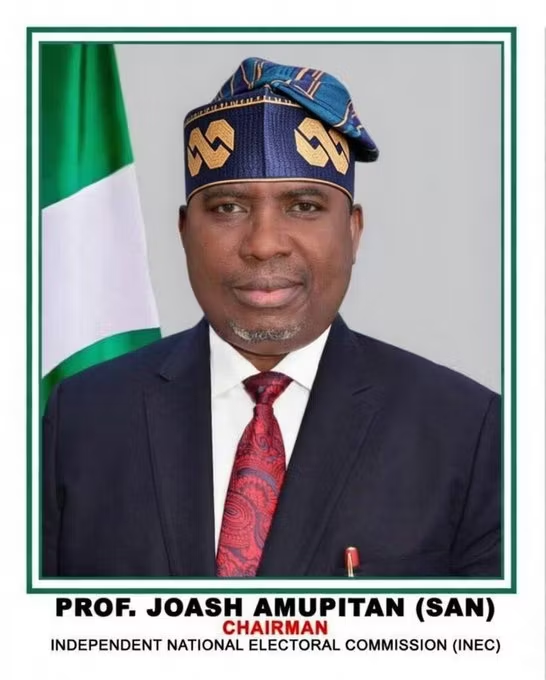
However, INEC, in a statement issued on April 10, dismissed the allegations as fabrications, maintaining that there is no verified evidence connecting the chairman to the account. The commission also threatened legal action, while independent fact-checkers noted that the claims remain unproven without conclusive forensic analysis.
Despite the denial, public pressure has continued to mount, with prominent voices and citizens demanding greater transparency.
Media personality Oseni Rufai called on INEC to subject the controversial account to forensic evaluation, warning that failure to do so could undermine confidence in future elections.
Similarly, actor Olumide Oworu referenced alleged disruptions at a recent opposition gathering, stating, “They cut the light,” while urging Nigerians to speak up.
Other social media users have gone further, alleging political compromise within the electoral body and warning against potential electoral malpractice in 2027, although these claims remain unverified.
The situation was further heightened following tensions at the April 13 convention of the African Democratic Congress (ADC), where the party accused authorities of venue denials, sabotage, and power outages, raising concerns about the electoral environment.
Adding to the broader conversation, former lawmaker Shehu Sani pointed to the recent peaceful elections in Benin Republic as a model, suggesting that Nigeria could learn from smaller nations in managing credible polls.
The controversy underscores growing scrutiny of electoral institutions, with analysts noting that public trust in INEC will be critical as preparations for the 2027 general elections gather pace.


