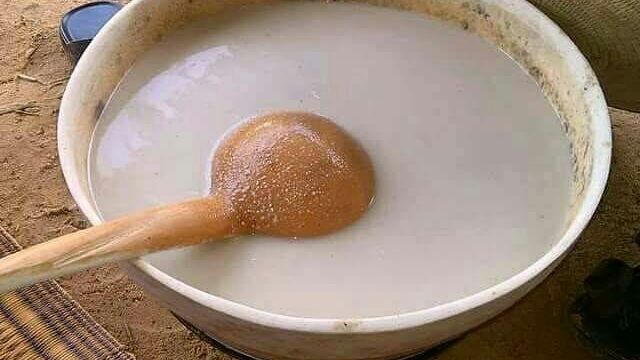
Fura da Nono, a traditional Hausa delicacy made from millet and fermented cow milk, remains a timeless favourite in Kano, enjoyed by people regardless of age, social class or seasons.
News men survey on Thursday showed that the delicacy remains one of Kano’s most consumed traditional foods, as it is sold in various portions to fit every buyer’s budget and remains affordable across income groups.
Unlike many meals sold at fixed prices, Fura da Nono is served based on what a customer can afford, making it accessible to labourers, students, civil servants and business executives alike.
Hajiya Safiya Danladi, a vendor at Singer Market, said the flexible pricing had helped sustain demand over the years.
“There is no fixed price for Fura da Nono. Customers buy based on what they can afford, and we serve based on the amount paid. That is why both the rich and the poor drink it,”
She added that patronage remained strong throughout the year in spite of increases in the prices of millet, sugar, and fresh milk.
At Singer, Tarauni, Sabon Gari and Kofar Wambai markets, vendors reported brisk sales, with many saying the delicacy remained a preferred option for breakfast, lunch and dinner among residents.
Malam Idris Yusuf, a milk supplier at Singer Market, said the delicacy had evolved from a traditional Fulani meal into a thriving urban business.
He added that Fura da Nono is now offered in hotels, restaurants and cafés, and that many young entrepreneurs have begun packaging it in branded containers for home delivery and online orders.
According to him, modern outlets have also introduced premium variants by adding fruits like bananas and apples, as well as dates, coconut, groundnuts and cashew nuts, to attract younger consumers while keeping the traditional recipe intact.
A nutritionist, Dr Emmanuel Abah, described Fura da Nono as a nutritious combination of millet and fermented milk.
He said millet provides carbohydrates and dietary fibre, while fermented milk supplies protein, calcium and beneficial bacteria that support digestion and overall health.
Abah noted that its nutritional value and affordability had helped sustain its popularity among children, adults, and the elderly.
Residents also told reporters that the delicacy remains an important part of Kano’s cultural identity and is commonly served during weddings, naming ceremonies, and other social gatherings as a symbol of hospitality.
Hajiya Khadija, who has sold Fura da Nono at Kofar Wambai Market for 18 years, said the business had sustained her family amid changing economic conditions.
“This business has trained my children and supported my family for years. No matter the economic situation, people still buy Fura da Nono because it is part of our daily life and culture.”
Many residents said that whether served traditionally in a calabash or in modern cups with fruits and nuts, Fura da Nono has remained an affordable, nutritious and culturally significant delicacy enjoyed across all social classes.