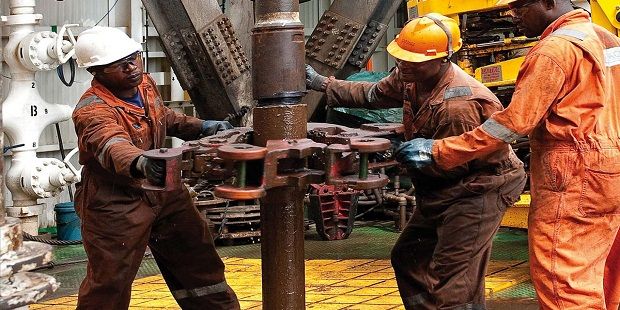
Nigeria’s ability to translate ongoing oil and gas reforms into higher investment, production and economic growth could depend increasingly on the quality of its workforce, with the upstream regulator highlighting four areas requiring urgent attention.
The Nigerian Upstream Petroleum Regulatory Commission (NUPRC) identified the priorities during its participation at the inaugural Human Capital Development (HCD) Conference and Expo 2026 organised by the Oil and Gas Trainers Association of Nigeria (OGTAN) in Warri, Delta State.
The Commission stressed that Nigeria must build a workforce capable of responding to the changing demands of the oil and gas industry if the country is to fully benefit from its current reforms and investment opportunities.
Upskilling must match industry reforms
One of the key priorities highlighted was the need to continuously upskill Nigeria’s oil and gas workforce.
As the industry adopts new technologies and responds to changing regulatory and commercial realities, workers need competencies that go beyond traditional technical knowledge.
For Nigeria, developing these skills will be critical to ensuring that local professionals can participate meaningfully in new projects and that companies can access the expertise required to execute investments efficiently.
Academia and industry need to close the gap
The NUPRC also highlighted the need for stronger collaboration between academic institutions and oil and gas companies.
While universities and research institutions possess research capacity and technical knowledge, companies often have the financial resources and practical industry challenges that can guide the application of that knowledge.
A stronger link between both sides could help turn academic research into practical solutions for the industry, while also ensuring that graduates are trained around the skills and technologies companies actually require.
Continuous professional development needs a stronger framework
Another priority is the need for a more structured approach to continuous professional development (CPD) across the oil and gas industry.
With technologies, regulations and operating practices constantly changing, professional development cannot be limited to entry-level training.
Workers already in the industry will also need regular opportunities to update their technical, digital and managerial skills.
A stronger CPD framework could therefore help companies maintain a workforce capable of adapting to changes across the upstream, midstream and downstream segments.
Human capital is becoming an investment advantage
Beyond addressing an employment or training challenge, the NUPRC’s position places human capital development within the broader question of investment competitiveness.
For Nigeria to attract and retain oil and gas investments, having attractive policies and fiscal incentives may not be enough.
Investors also require access to competent professionals who can design, execute and manage complex projects.
This makes human capital development a strategic component of Nigeria’s investment proposition, particularly as the country seeks to revive upstream activity, increase production and attract new capital into the sector.
The four priorities highlighted at the OGTAN conference therefore point to a broader challenge for Nigeria’s oil and gas reforms: ensuring that the country’s workforce evolves at the same pace as the industry and the investments it hopes to attract.
