By Olakunle Oke
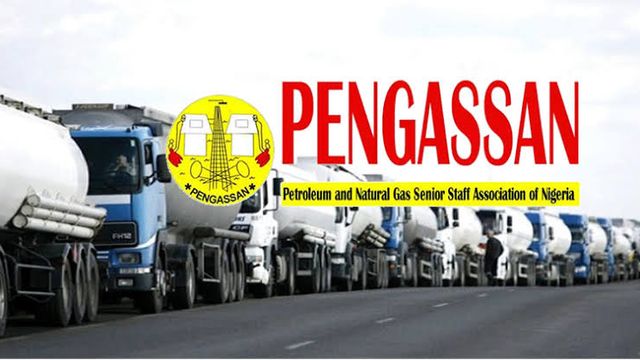
The Nigerian National Petroleum Company Limited (NNPCL) has revealed massive operational and financial losses following the three day strike by the Petroleum and Natural Gas Senior Staff Association of Nigeria (PENGASSAN), warning that the nation’s economy could face severe consequences if such disruptions persist.
Group Chief Executive Officer, Bashir Ojulari, in a letter addressed to the Nigerian Midstream and Downstream Petroleum Regulatory Authority (NMDPRA) and the Nigerian Petroleum Regulatory Commission (NPRC), said the industrial action crippled key operations across the oil and gas value chain.
The correspondence, also copied to the National Security Adviser and the Director General of the Department of State Services, painted a grim picture of the strike’s impact.
According to the NNPCL boss, crude oil production declined by 16 per cent, marketed gas dropped by 30 per cent, while national power supply fell by 20 per cent during the period. He disclosed that the strike forced the shutdown of oil terminals, gas plants, and power facilities, leading to the deferment of about 283,000 barrels of crude oil per day and 1.7 billion standard cubic feet of gas daily.
Ojulari explained that the strike, which stemmed from unresolved disputes between PENGASSAN and the management of Dangote Refinery, went beyond a mere labour disagreement and quickly escalated into a national economic challenge.
“The disruption of this magnitude does not only affect production figures; it shakes investor confidence and weakens the already fragile energy supply chain,” he warned.
Although the strike was suspended after three days, NNPCL stressed that the damage had already been done, both in lost revenues and in reputational cost to Nigeria’s oil and gas industry. The company urged all stakeholders, including government agencies, labour unions, and operators, to work together to prevent similar crises in the future.
“The temporary relief from the suspension of the strike should not blind us to the looming dangers. Any recurrence will further undermine economic stability, energy security, and Nigeria’s ability to meet both domestic and international obligations,” Ojulari cautioned.
Industry analysts also note that the strike exposed the vulnerability of Nigeria’s energy infrastructure, with ripple effects likely to be felt in power supply, industrial output, and foreign exchange earnings.
They argue that beyond resolving the Dangote PENGASSAN dispute, government must establish stronger conflict resolution mechanisms to forestall future labour unrest in the strategic oil and gas sector.