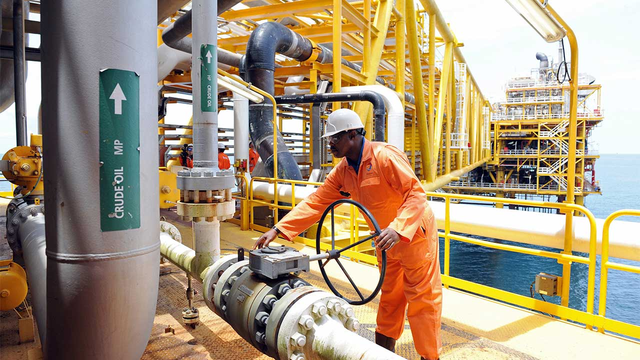
Nigeria’s upstream oil sector started the new year on a high note as crude oil production climbed to 1.46 million barrels per day (mb/d) in January, according to the latest data released by the Nigerian Upstream Petroleum Regulatory Commission (NUPRC).
This represents a 2.6% month-on-month (MoM) increase, signaling a vital recovery for the continent’s largest producer following a brief dip in December.
The growth becomes even more pronounced when accounting for condensate production. Total liquid volumes reached 1.63 mb/d, a 5.4% surge providing a much-needed boost to the nation’s foreign exchange reserves.
Analysts note that this uptick, combined with global Brent prices hovering near $70, has significantly accelerated FX accretion during the first month of the year.
The primary engine behind this growth was the Erha terminal, which saw a remarkable 5.3% spike in output, reaching 0.07 mb/d. This performance was supported by additional gains at the Brass, Escravos, and Tulja Okwuibome terminals. However, the recovery remains uneven; historical heavyweights like the Forcados, Bonny, and Qua Iboe terminals recorded declines that partially offset the broader gains.
Despite the positive momentum, Nigeria continues to chase its OPEC+ quota of 1.50 mb/d. The 41,000-barrel daily shortfall in January underscores the persistent structural bottlenecks such as pipeline vandalism and infrastructure underinvestment that continue to cap the nation’s true potential.
The Federal Government has set ambitious targets in the 2026 budget, anchoring revenue projections on a production goal of 1.84 mb/d, with an ultimate aspiration of 2.06 mb/d. While the January data shows the industry is moving in the right direction, analysts from Quest MB remain cautious.
They project a more modest annual average of 1.78 mb/d (including condensates) for 2026, citing lingering security constraints in the Niger Delta as a primary headwind.
The combination of rising domestic output and geopolitical tensions which have kept international prices elevated has created a favorable window for Nigeria to strengthen its external balances. As the year progresses, the focus will remain on whether the government can sustain these gains and finally breach the elusive 1.5 mb/d OPEC benchmark.