
The Lagos State Traffic Management Authority (LASTMA) has recorded significant improvements in operational efficiency, professionalism, and public engagement following a strategic overhaul of its training framework under the leadership of General Manager, Olalekan Bakare-Oki.
The initiative, which focuses on continuous training and retraining of personnel, is aimed at repositioning the agency to meet the growing demands of traffic management in a rapidly expanding мегacity like Lagos.
Speaking on the development, the management emphasised that the reform is designed to strengthen institutional capacity by equipping officers with not only technical traffic control skills but also critical competencies such as emotional intelligence, conflict resolution, crisis management and effective communication.
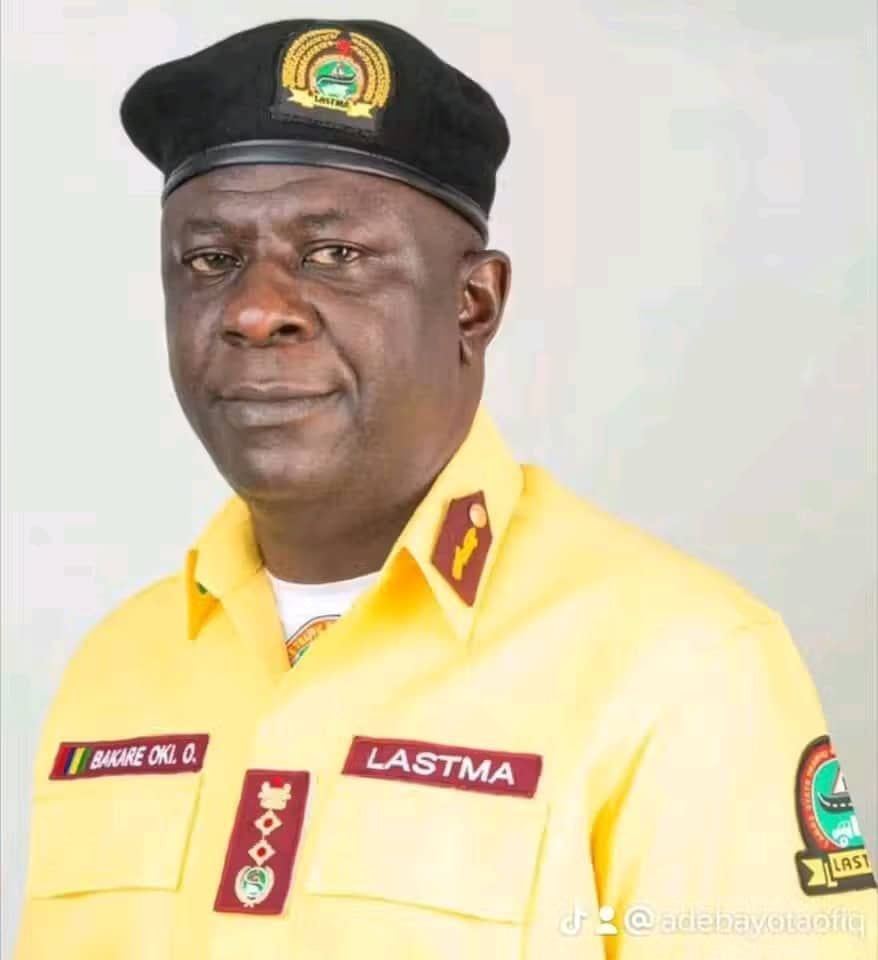
The renewed training architecture marks a shift from conventional enforcement methods to a more holistic approach that recognises LASTMA officers as key public facing representatives of government.
According to reports the initiative has led to improved relations between officers and road users, with a noticeable decline in confrontations and an increase in voluntary compliance among motorists. Officers are now better positioned to manage tense situations and provide clear, professional guidance to commuters.
Operationally, the agency has also witnessed enhanced efficiency, with quicker response to traffic incidents and more coordinated management of road obstructions. The integration of modern techniques, including data driven deployment and real time response strategies, has contributed to reducing congestion and preventing secondary accidents.
The training programmes has also reinforced a culture of professionalism within the agency, boosting morale among personnel with officers exhibiting a stronger sense of duty and pride, driven by continuous learning and institutional support.
The impact of the reforms extends beyond traffic control, as improved road management continues to support economic activities across the state by facilitating the smooth movement of people, goods and services.
The management further highlighted ongoing collaborations with emergency response organisations and training institutions as part of efforts to enhance the scope and quality of its programmes describing the reforms as a strategic step toward building a more responsive and citizen focused traffic management system in Lagos.


