By Olakunle Oke
The rapid growth of artificial intelligence and the surge in data center construction have pushed global energy investment requirements to an estimated $4 trillion per year, Sultan Al Jaber, UAE Minister of Industry and Advanced Technology and Chief Executive of the Abu Dhabi National Oil Company (ADNOC) has disclosed.
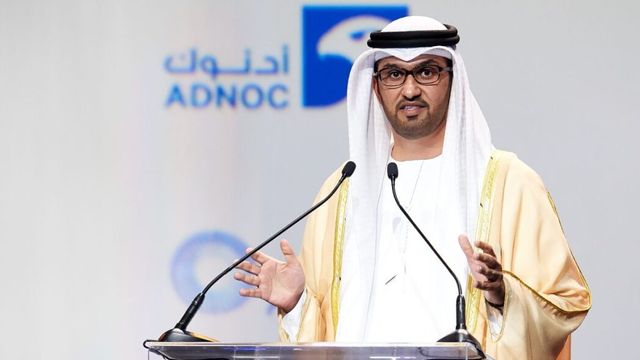
Speaking at the opening of the ADIPEC energy conference in Abu Dhabi on Monday, Al Jaber said the world’s existing energy infrastructure is no longer sufficient to power the digital economy.
“You can’t run tomorrow’s economy on yesterday’s grid,” he stated, calling for increased capital investment in grids, data centers, and all sources of energy to meet rising global demand.
Al Jaber emphasized that the energy industry must focus on facts and data rather than alarmism, noting that “our response to meet that demand should focus on the data, not the drama.”
He warned that continued underinvestment in energy supply could jeopardize long-term stability, echoing similar concerns raised by Saudi Aramco and OPEC officials.
The UAE minister outlined a future of sustained energy demand growth, driven by urbanization and rising power consumption.
With 1.5 billion people expected to move into cities by 2040, Al Jaber projected that renewables would more than double, liquefied natural gas (LNG) demand would rise by 50 percent, jet fuel consumption would increase by over 30 percent, and oil usage would remain above 100 million barrels per day beyond 2040.
He urged policymakers and investors to adopt pragmatic approaches to ensure energy security and economic growth. “Policy must enable progress, not obstruct growth,” Al Jaber said, encouraging global leaders to follow the UAE’s example in driving bold partnerships that create jobs, boost socioeconomic development, and enhance competitiveness.
While acknowledging short-term market headwinds, Al Jaber expressed confidence in the long-term outlook for all forms of energy, stressing the need for coordinated global action to meet the demands of an AI-powered world.