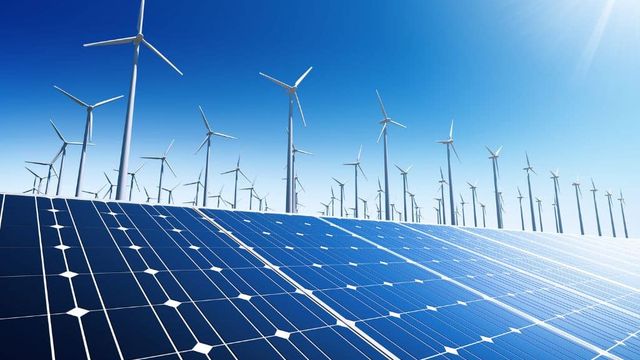
Africa’s ambitious push toward integrating renewable energy is intensifying a critical struggle for utilities: maintaining grid stability.
As the continent rapidly moves away from centralized, easy-to-manage fossil fuel plants, the variable and intermittent nature of solar and wind power is exposing foundational weaknesses in aging infrastructure. The failure to secure reliable balancing power poses a severe risk of nationwide blackouts and threatens the decarbonization agenda.
According to Kevin Parkes, Head of Business Development AMEAPAC at Aggreko, the challenge for grid operators is to prepare for a future where traditional baseload generation can no longer guarantee stability alone.
While renewables account for about 25% of Africa’s electricity generation (comprised mostly of hydro with growing solar and wind components), this rising proportion is putting intense pressure on systems to respond instantly to fluctuations in frequency or demand. Without this capability, systems face higher risks of collapse, damage, and rising operational costs.
Parkes notes that without fast-acting reserve capacity, systems can fail in seconds a lesson harshly demonstrated by Oman’s July 2022 nationwide blackout, which lasted over five hours and was directly linked to overstretched capacity and a lack of real-time balancing mechanisms.
Balancing power is defined as the ability to reserve capacity that can be activated instantly to correct real-time mismatches between supply and demand. Industry best practice suggests maintaining a reserve margin capable of covering the largest credible contingency plus extra capacity for forecasting errors. The key is finding a strategic balance: too much reserve inflates costs, while too little invites system collapse.
Modern grids, particularly in Africa where utilities grapple with aging infrastructure, energy theft, and uneven demand, are increasingly adopting alternatives to create this essential balance.
“For African utilities operating across vast distances and varied infrastructure, balancing power solutions provide the necessary tools to manage uncertainty.” He noted.
Parkes concluded that this strategic approach allows operators to prioritize the much-needed integration of new solar and wind plants without destabilizing the grid.
“This ensures that Africa’s move toward a renewable energy profile is both practical and performance-based, safeguarding energy security while advancing clean energy goals” He added.