
Traffic congestion has become a daily struggle for Nigerian commuters, prompting several states to establish their own bus transit systems. These government-operated initiatives aim to deliver affordable, efficient, and reliable transportation, ease pressure on private transport, and foster orderly movement within bustling urban centres.
1. Lagos State – BRT & LAGBUS
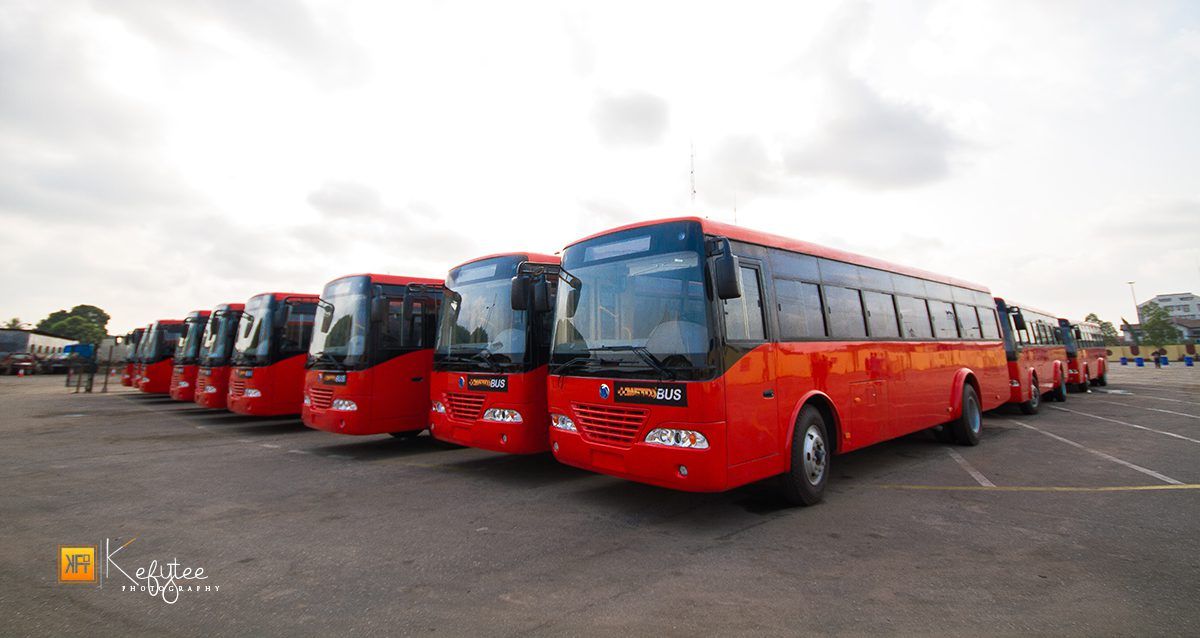
Lagos State stands at the forefront with its celebrated Bus Rapid Transit (BRT) system, launched in 2008, marking it as the first of its kind in Sub-Saharan Africa. Managed by the Lagos Metropolitan Area Transport Authority (LAMATA), the system features dedicated bus lanes, high-capacity vehicles, and a modern card payment mechanism. The network continues to grow, incorporating BRT Lite routes and plans to link with the Blue Line rail project. Lagos’s pioneering framework has become a benchmark for other states aiming to enhance urban commuting.
2. Abuja (FCT) – Abuja Urban Mass Transport Company (AUMTCO)
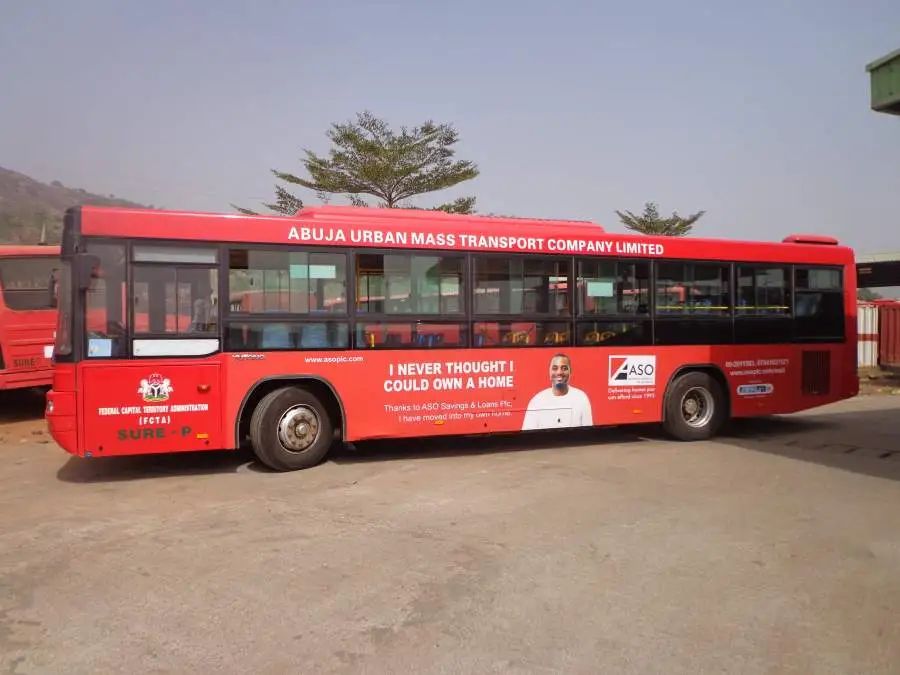
The Federal Capital Territory operates the Abuja Urban Mass Transit system under the FCT Administration (FCTA). The network spans city-wide routes, connecting suburbs with the central business district. While operational, AUMTCO contends with challenges including vehicle maintenance and constrained funding, which limit its ability to fully meet the transport demands of Abuja’s rapidly expanding population.
3. Ogun State – Ogun State Mass Transit Scheme
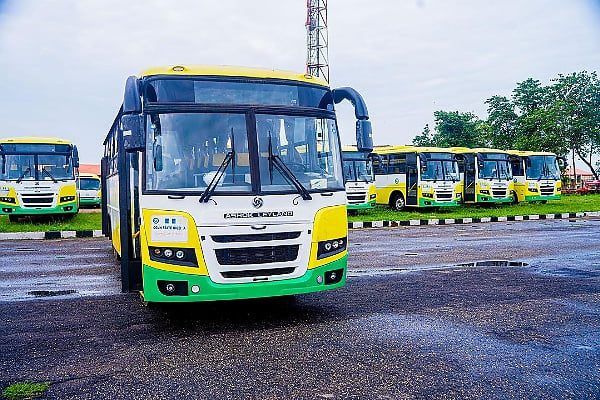
Ogun State manages its own mass transit buses through the Ministry of Transportation. The system serves both intra-city and inter-city routes, initially designed to absorb commuter spillover from Lagos. Although the service is functional, the number of routes remains modest compared with Lagos, and expanding coverage remains a pressing priority.
4. Oyo State – Pacesetter Transport Service (PTS)
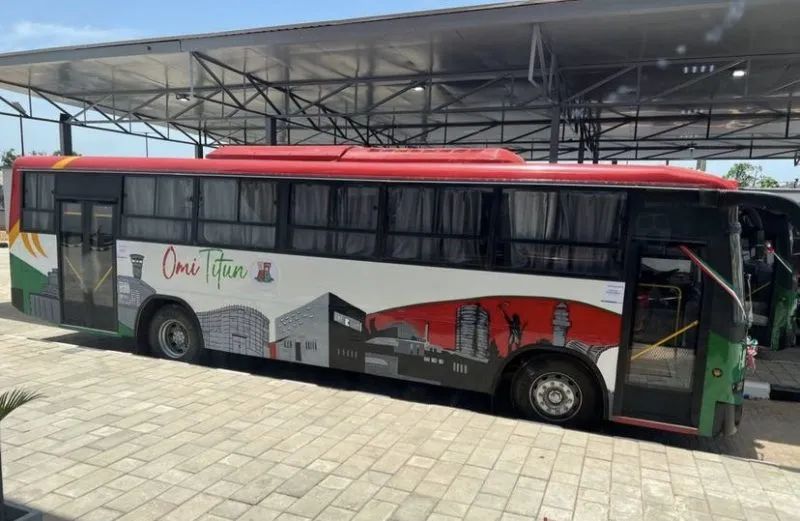
Oyo State’s Pacesetter Transport Service operates both within Ibadan and to surrounding towns. Recently rebranded, PTS continues to play a central role in the state’s urban transport landscape, offering dependable commuting options while mitigating congestion on major roads.
5. Kano State – Kano Line / Kano State Transport Service
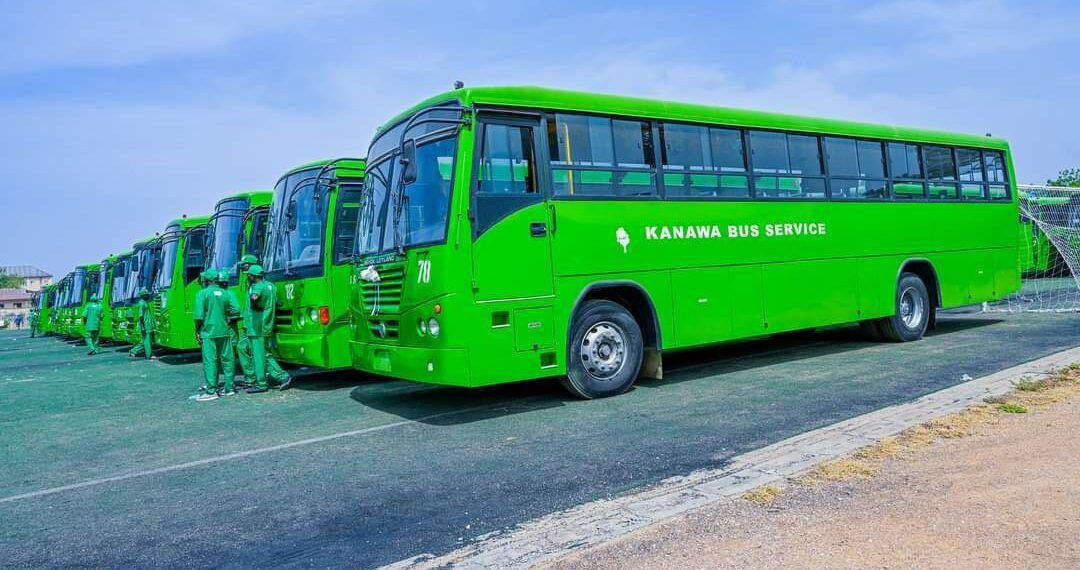
Kano State runs the Kano Line bus service, managed directly by the state government. The system covers long-distance and intra-state routes, also catering to schools and workers. Despite competition from private operators, state-run buses remain a reliable and structured option for residents seeking safe public transport.
6. Rivers State – Rivers State Transport Company (RTC)
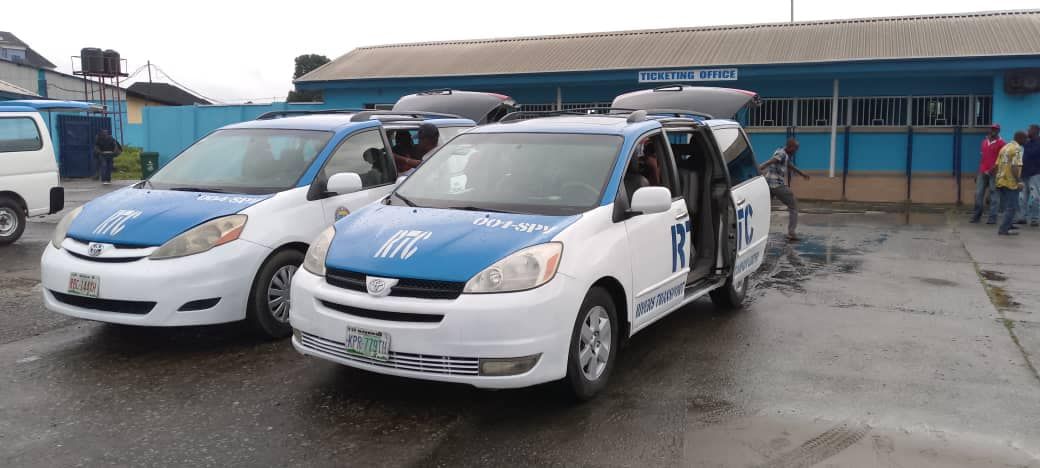
In Rivers State, the Rivers State Transport Company oversees city and inter-city routes in Port Harcourt and surrounding areas. Although the fleet has been reduced in recent years, RTC continues to provide commuters with affordable public transport alternatives.
7. Enugu State – Coal City Shuttle
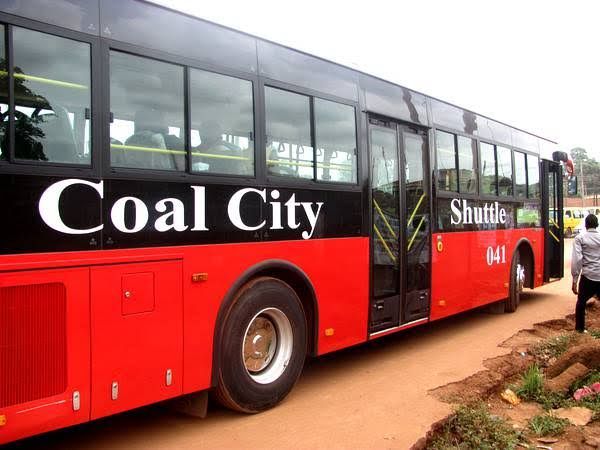
Enugu State’s Coal City Shuttle offers structured urban transit, helping to lower commuting costs within the metropolis. Its operations are currently limited to certain areas, yet the service remains a vital option for residents navigating the city.
8. Edo State – Edo City Transport Service (ECTS)
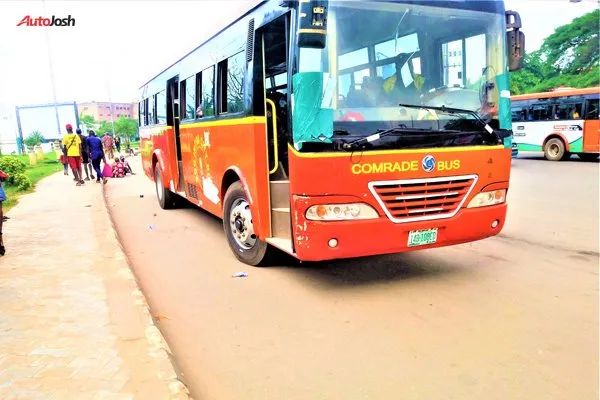
The Edo City Transport Service oversees both intra-city and inter-city buses across Edo State. Supported by government funding, the system continues to provide structured and accessible transit solutions for commuters in Benin City and other urban centres.
9. Osun State – Omoluabi Mass Transit
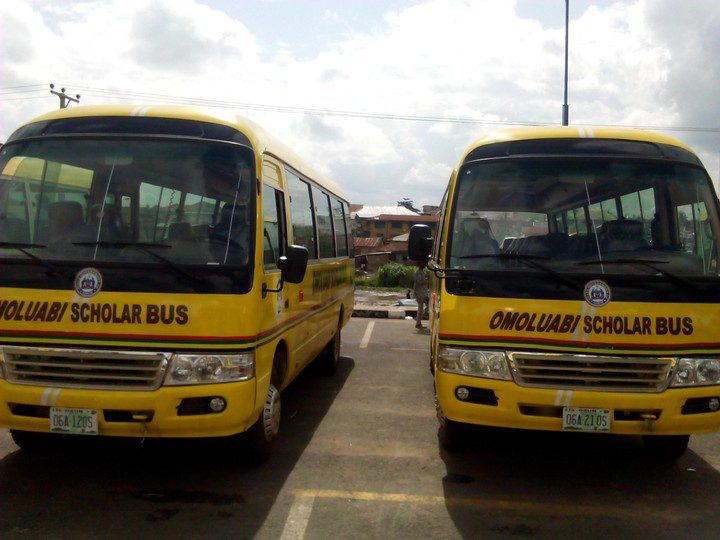
Osun State operates the Omoluabi Mass Transit, offering both local and inter-city services. Despite a reduction in operations over time, the service continues to serve residents who rely on dependable public transport.
10. Cross River State – Calabar Urban Mass Transit
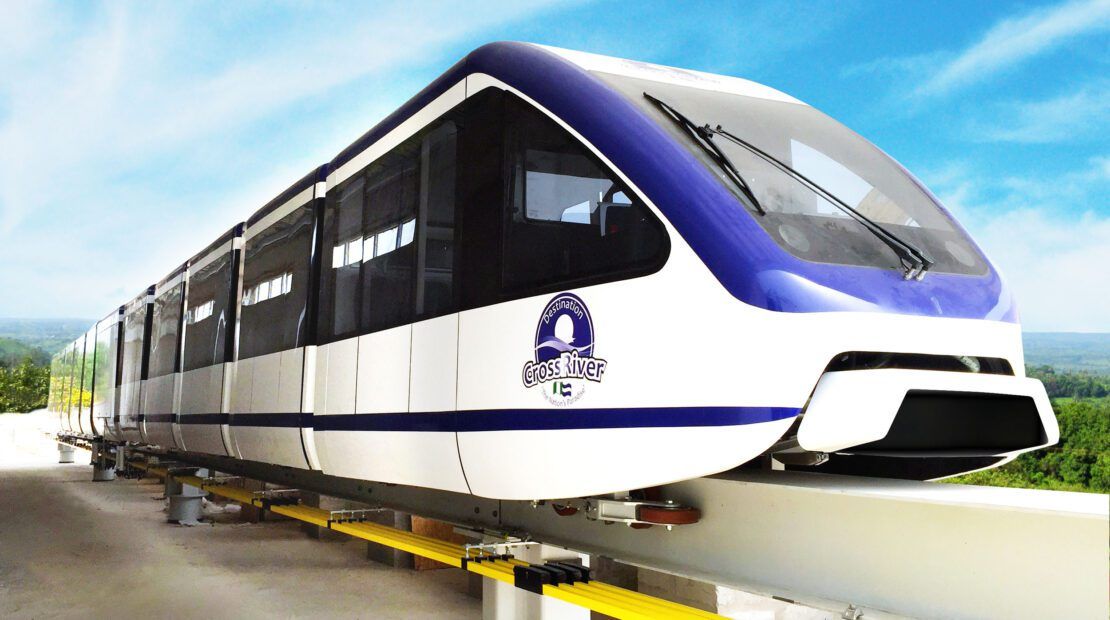
Calabar’s Urban Mass Transit Scheme operates city buses serving the metropolis and neighbouring local government areas. Though modest in scale, the service provides structured mobility and reduces dependence on informal transport operators.
Conclusion
State-run bus transit networks across Nigeria are essential in tackling urban congestion and enhancing commuter experiences. Each system reflects the state’s approach to addressing unique transport challenges, while collectively showcasing a commitment to improving public transportation and raising the quality of life for urban residents.


